


Integrated FOC Arm Sets: Why KV and Prop Size Are Fixed
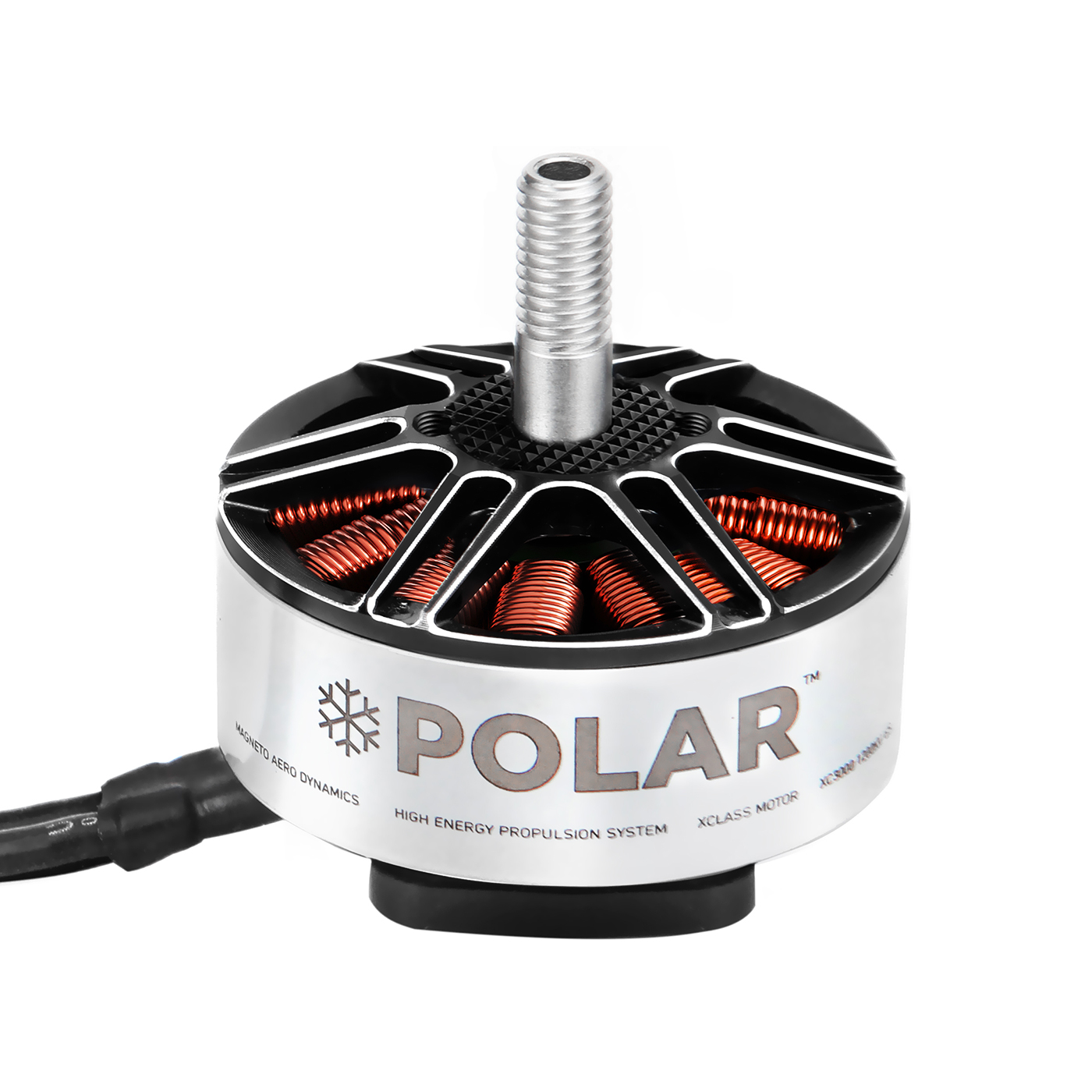
A replacement motor bolts onto the arm. The propeller clears the frame. The connector fits. None of those checks confirms that the original controller setup still applies.
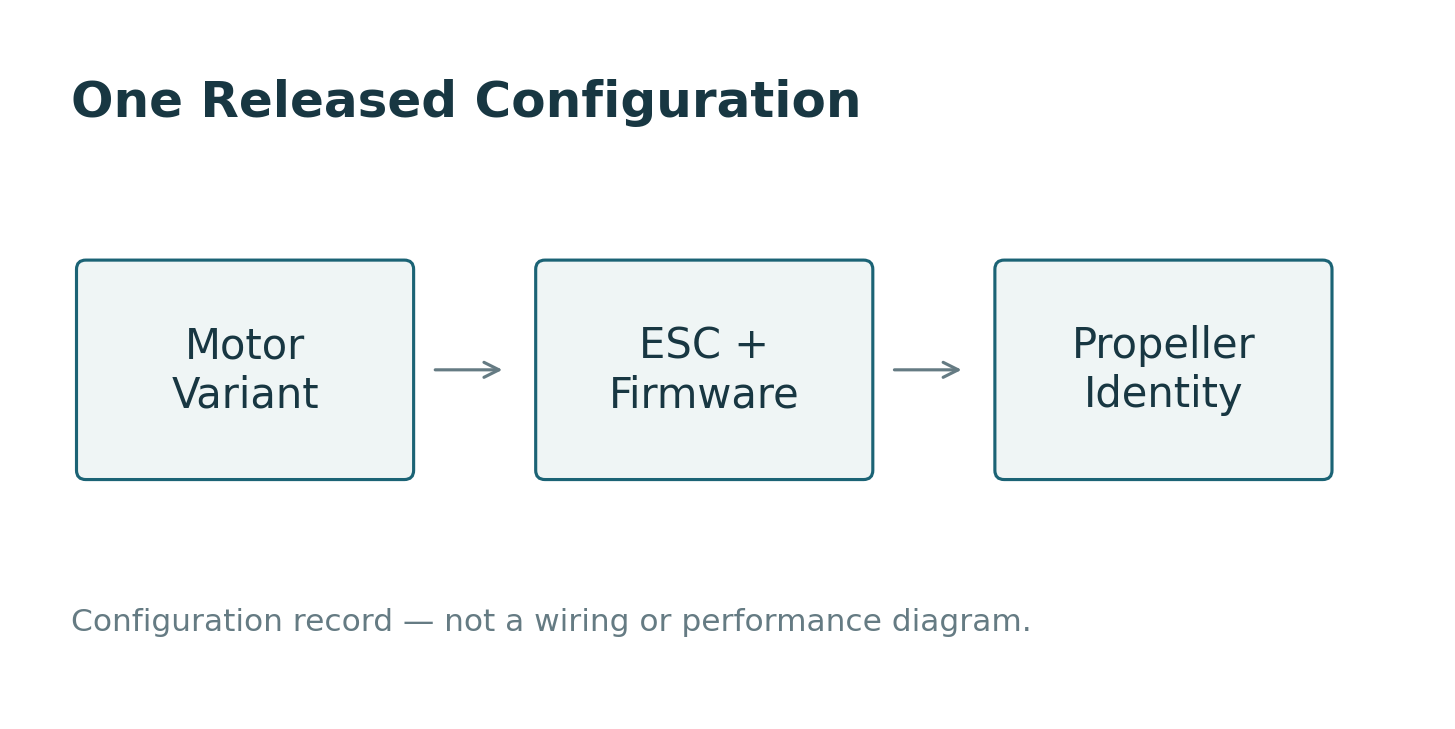
An integrated FOC arm set is specified around a particular motor, controller and propeller combination. Changing one part can move the system outside the configuration that was characterized. The useful question is not simply whether a different component will run, but whether the supplier has validated that exact combination and released it for the intended operating conditions.
Integrated FOC Arm Sets: Configuration Guide
Fixed means a released configuration
“Fixed KV” does not mean every FOC controller is incapable of operating another motor. It means the delivered configuration has a defined motor variant and controller setup. A different variant may need new motor characterization, firmware parameters and load testing before it becomes an approved option.
The REACHSKY technical FAQ explains that integrated arm combinations are matched to the motor and propeller. It also requests physical motor and propeller samples for custom FOC tuning. Its list of required information includes actual KV, maximum battery voltage, winding information and phase inductance.
That is a more useful starting point than a rule based on external dimensions. Two motors can share a mounting pattern while differing electrically. Conversely, a controller can support multiple combinations when each is properly characterized. Neither possibility authorizes an untested field swap.
The controller needs more than the KV label
KV is useful for identifying a winding option, but it is not a complete electrical model. A matching request also needs the motor's electrical characteristics, the controller hardware and software identity, the supply range and the intended load. A supplier may require measurements that are not published in the storefront.
In practice, that is why changing to another KV option can be more work than updating a menu field. The replacement may have a different winding arrangement or electrical behavior. The controller settings validated with the original motor cannot be assumed to transfer because the new motor belongs to the same mechanical series.
For procurement, record the complete motor part identity rather than “same housing, lower KV.” Ask whether the supplier's approval covers the proposed winding and controller revision together. If it does not, treat the proposed change as a configuration review with a test requirement.
The commercial and industrial FOC controller category helps identify controller options. A category listing does not establish compatibility with every motor or integrated arm assembly on the website.
The propeller belongs in the change request
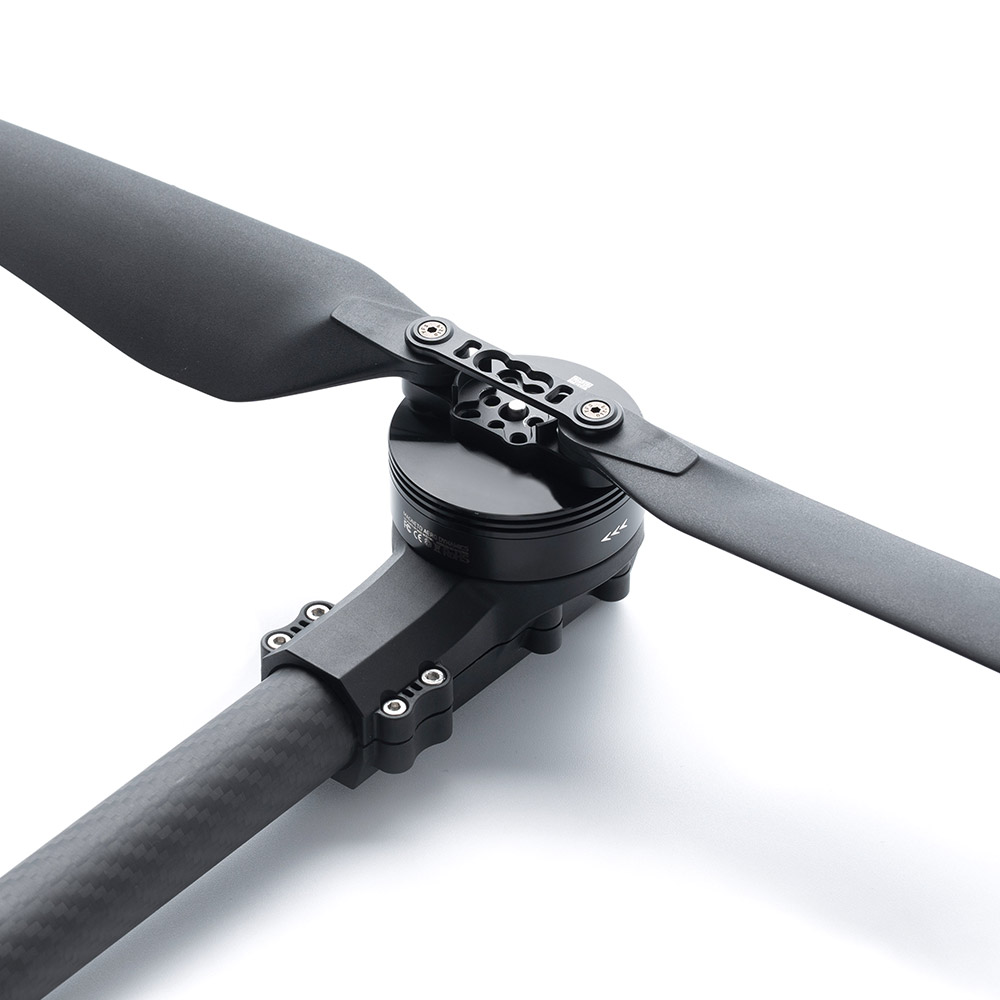
A propeller is the mechanical load presented to the drive. Diameter and pitch matter, but so do blade design, blade count, mass distribution and the mounting arrangement. A replacement carrying similar size markings is not automatically the same load.
Changing the propeller can affect the torque required at a given speed, the acceleration behavior and the thrust delivered at a given command. Those changes have to be evaluated against current, temperature and aircraft performance. There is no universal diameter reduction that makes every substitution acceptable.
The site FAQ mentions limited propeller changes in its general explanation, but that is not a model-specific approval table. Do not turn a general example into a rule such as “one inch smaller is always safe.” Ask for the permitted propeller identity and operating envelope for the actual arm set.
A smaller propeller may reduce available thrust; a larger one may increase loading. The final result depends on the complete setup. A bench run that starts cleanly cannot establish mission performance or thermal suitability by itself.
Write the replacement boundary before buying spares
The cleanest spare is the exact released replacement, including the details that may not be visible in a product photograph. Ask which motor variant, propeller identifier, controller hardware revision and firmware release belong to the supplied assembly.
| Proposed change | Information to submit | What needs an explicit answer |
|---|---|---|
| Same named motor, different KV | Full motor variant and existing configuration | Whether characterization and settings still apply |
| Different propeller | Exact blade model, size, mounting and intended duty | Whether it is an approved load for this arm set |
| Controller replacement | Hardware identity, firmware and saved configuration | Which released setup must be installed |
| Supply change | Fully charged voltage and intended battery configuration | Whether every affected component supports the range |
| Like-for-like spare | Original part and revision references | Whether it is equivalent or has been superseded |
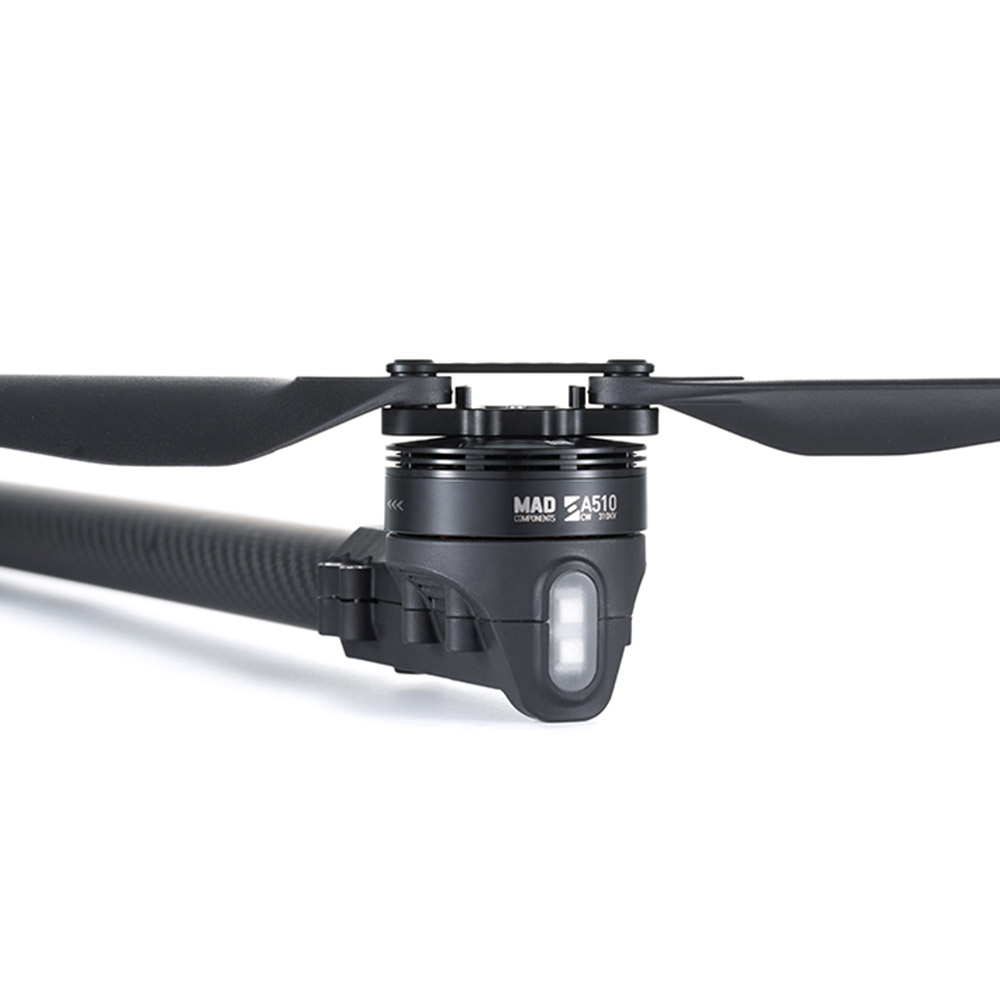
The public StableCore A510 Drone Arm Set page, for example, shows a 275KV option, CW/CCW selections and red/green LED choices. That is useful assembly identification information. The listing does not establish its controller's control method, publish a complete alternative-propeller approval matrix or identify an interchangeable firmware file. Use the general FOC matching principles above only after confirming the actual controller with the supplier.
Do not confuse a visible product option with permission to mix every selectable feature across another assembly. Confirm the ordered configuration in writing and retain that confirmation with the aircraft BOM. For fleet spares, make the approved replacement reference easy for service staff to find.
Ask for a validation scope, not a verbal “should work”
A useful supplier reply identifies the proposed combination, the applicable operating limits and what remains to be tested. If the change needs new tuning, confirm what physical samples and installation information are required before shipping parts.
REACHSKY's FAQ describes using physical motors for characterization, waveform checks and testing at a rated operating point. That supports requesting a proper matching review; it does not give the buyer a ready-made acceptance threshold for every aircraft. The integrator still needs an aircraft-specific validation plan.
Keep the original configuration available during the review. Save existing settings and software identities before any authorized update. Record what changed so that a later service issue can be compared with the actual baseline instead of an assumed factory default.
After a change is approved, update the parts list, service instructions and spare inventory together. Otherwise the next repair can quietly restore an older motor or propeller and undo the validated combination. Configuration control matters most when an aircraft has several visually similar arms.
Buying advice
Before ordering an alternative motor, propeller or replacement arm, send the original part identities, supply configuration and proposed change through the configuration inquiry form. Ask for confirmation of the permitted combination and the required validation scope.
If the original assembly already meets the mission requirement, an exact approved spare is usually a clearer purchasing decision than creating a new variant during a repair. When the mission has changed, document that requirement first and let it guide the matching review.
Preguntas frecuentes
Can a matching bolt pattern prove that another motor is suitable?
No. It confirms only part of the mechanical interface. Motor electrical characteristics, controller setup, propeller load and the installation limits still need to match the released configuration.
Is a smaller propeller automatically safe for the original ESC?
No universal size rule establishes that. The aircraft may lose required thrust, and the replacement still needs an approved load and operating range. Confirm the exact propeller rather than a diameter-only substitution.
Can I copy the firmware from a neighboring arm?
Only under the applicable supplier procedure and after confirming matching hardware and configuration. A file that runs on one arm is not evidence that it is suitable for another variant or revision.
Does FOC mean the controller can identify any motor automatically?
No. Supported identification and tuning functions depend on the specific controller and firmware. Do not assume that an integrated assembly performs an automatic, validated setup after a motor swap.
What should I retain when ordering identical replacement arms?
Keep the original order, assembly identifier, motor and propeller references, rotation option, controller revision and firmware identity where supplied. Ask the seller to confirm any superseded part before shipment.
Do I need to send physical samples for custom tuning?
The REACHSKY FAQ requests a physical motor and propeller for custom FOC tuning. Confirm the sample list and review scope for your project; photographs and headline specifications may not provide the measurements needed.
Integrated FOC arm sets checklist
Confirm the released motor, controller and propeller combination before changing a fielded arm set. See the ISO 9001 quality-management overview for general change-control context.
Related UAV resources: propulsion systems, UAV products, and contact REACHSKY.
See the FOC arm sets overview for related propulsion configurations.
Artículos relacionados
-
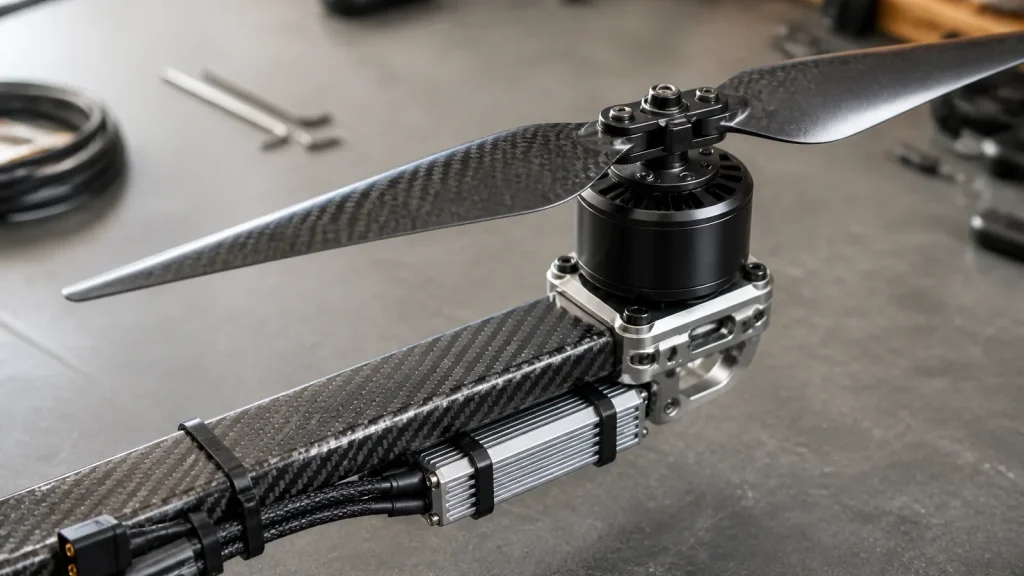 Heavy Lift Power Combo: How to Choose One for a New Airframe
Payload and hover time first, then thrust per arm, prop diameter, KV ceiling, ESC current and pack count. A worked 50 kg hexacopter example.
-
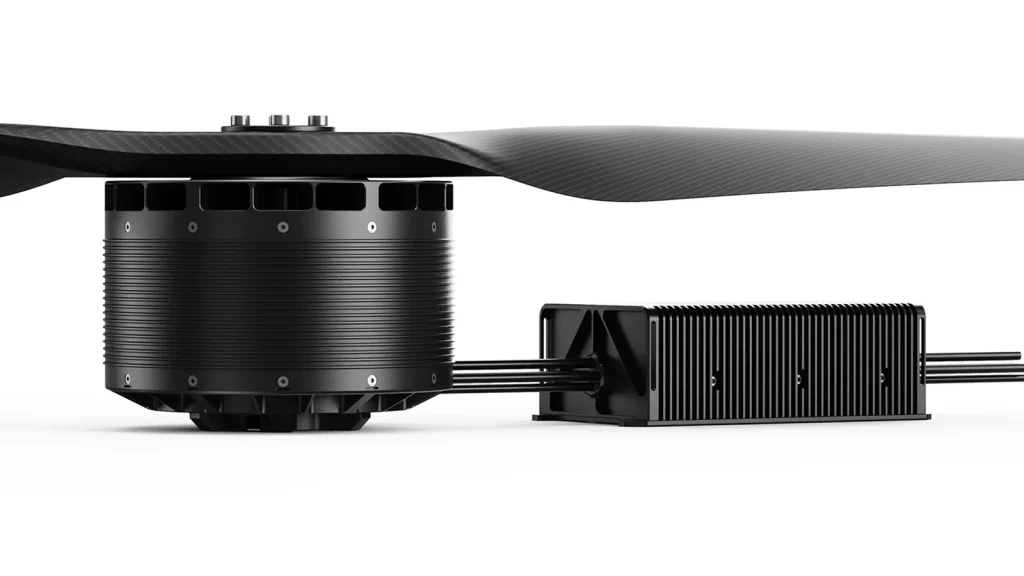 Power System Kit vs Buying Parts Separately
A matched kit trades a higher unit price for one shipment, one owner of the match and less rework. How the four purchase dimensions actually compare.