


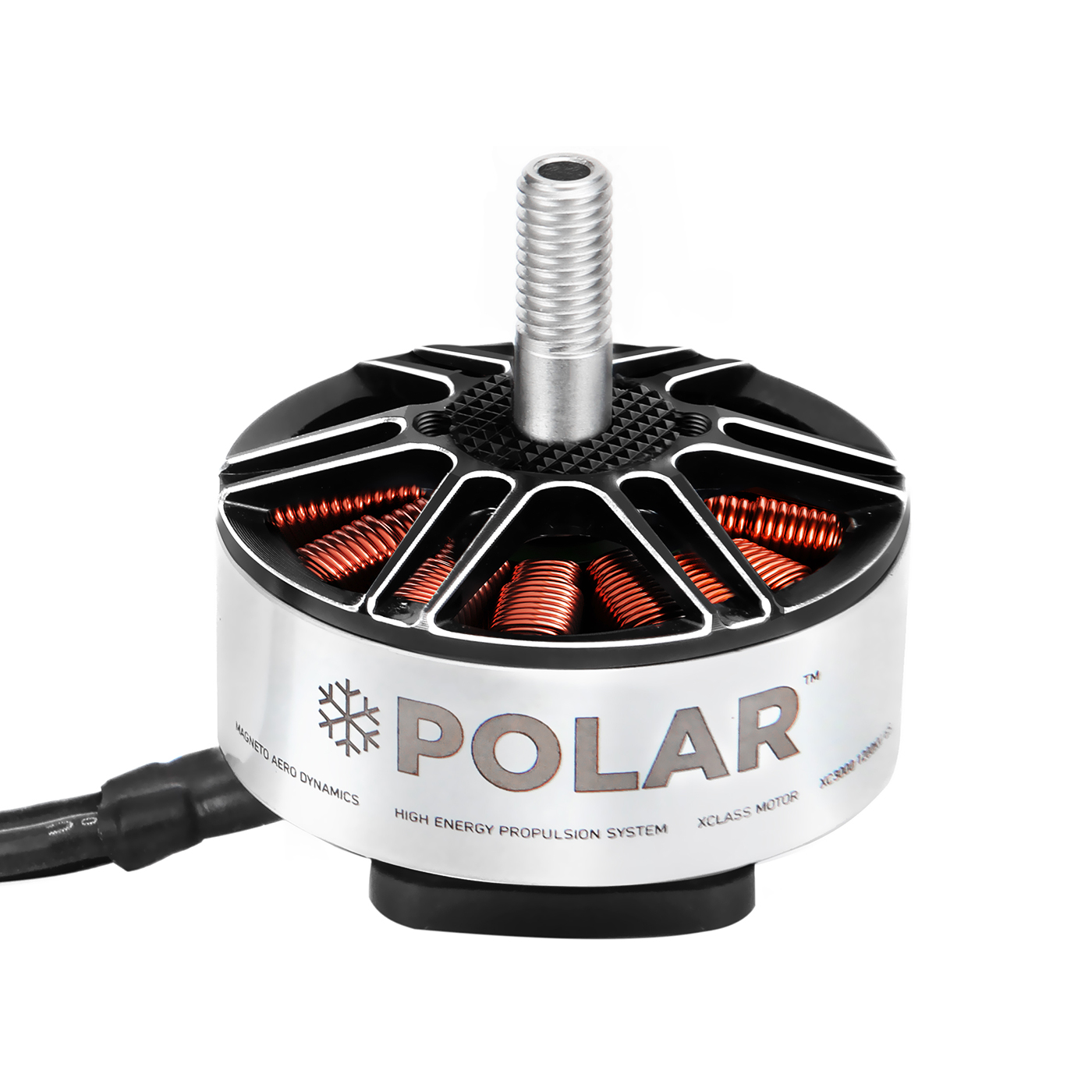

Motor KV and battery voltage
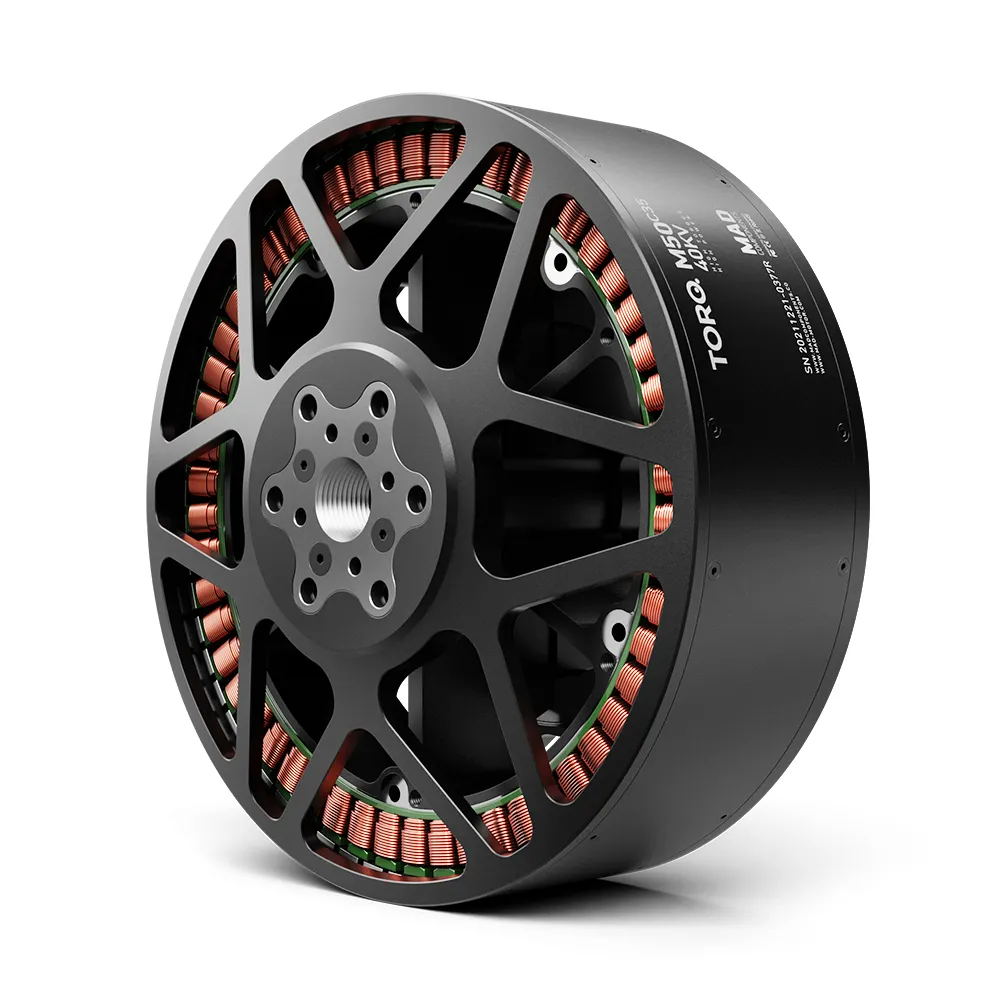
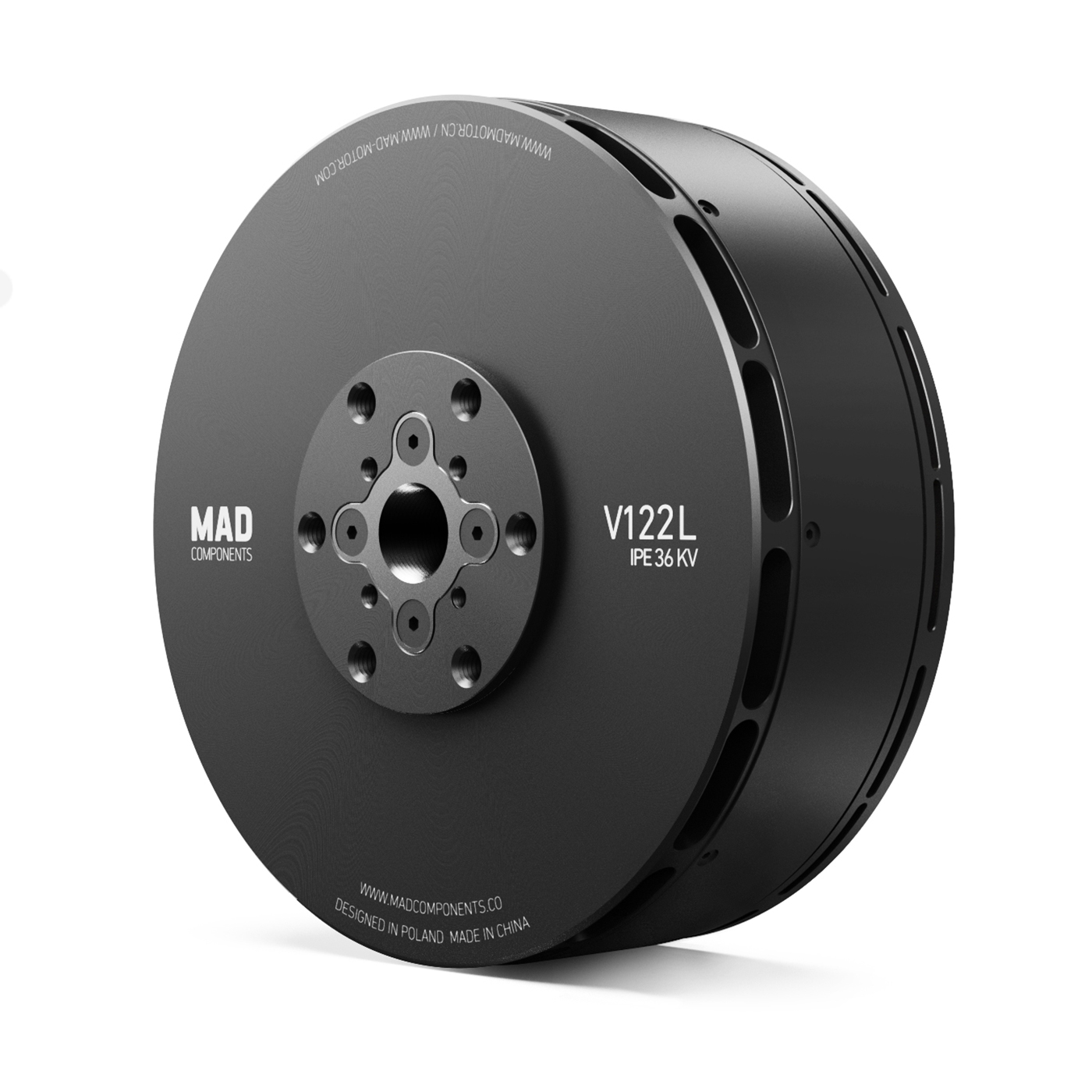
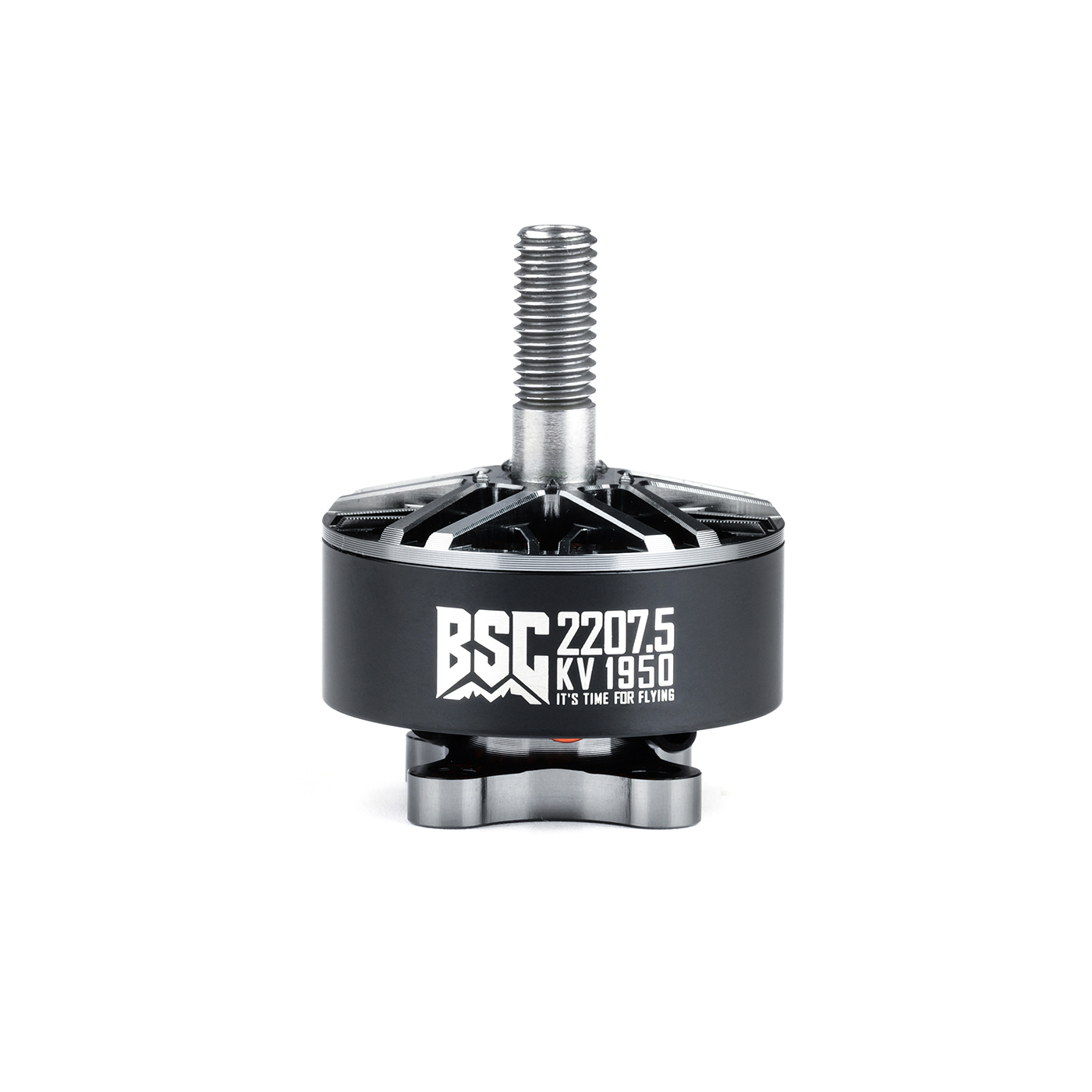
Match KV bands to pack voltage before you lock a SKU. Wrong pairing shows up as heat, short flights, and warranty noise.
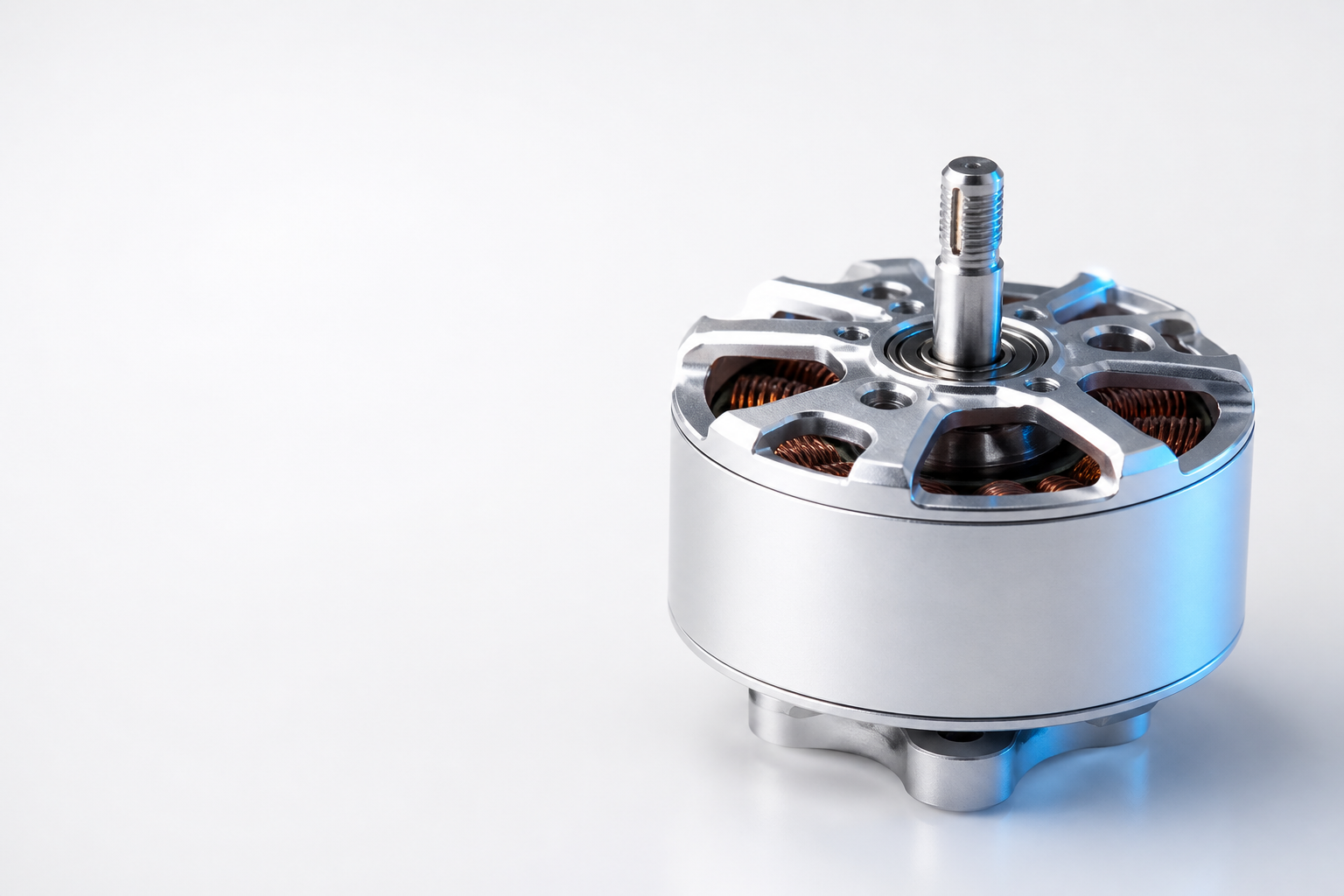
KV is not a performance badge. It is a speed constant that only makes sense next to the pack voltage you actually fly. Buyers who pick a motor from peak thrust alone often discover the pairing later — on the bench, in a hot ESC, or in a return ticket.
What to lock before you quote
- Nominal pack voltage and the cells you will ship with the airframe
- Prop diameter and pitch the customer will not change after delivery
- Continuous current the ESC and wiring can hold without derating
When those three stay open, SKU selection turns into guesswork. Close them first, then shortlist motors inside the KV band that keeps tip speed and current in a sane window.
Where wrong pairing shows up
Too much KV on a high-voltage pack pushes current and heat. Too little KV on a light pack leaves thrust on the table and invites over-propping. Either path creates support load that looks like a product defect when it is really a system match error.
If you are still lining up voltage and thrust targets, send the brief to engineering or start from the motor catalog.
Related articles
-
 Request Quote vs checkout
When volume inquiry is faster than standard cart checkout for distributors and fleet buyers.
Request Quote vs checkout
When volume inquiry is faster than standard cart checkout for distributors and fleet buyers.
-
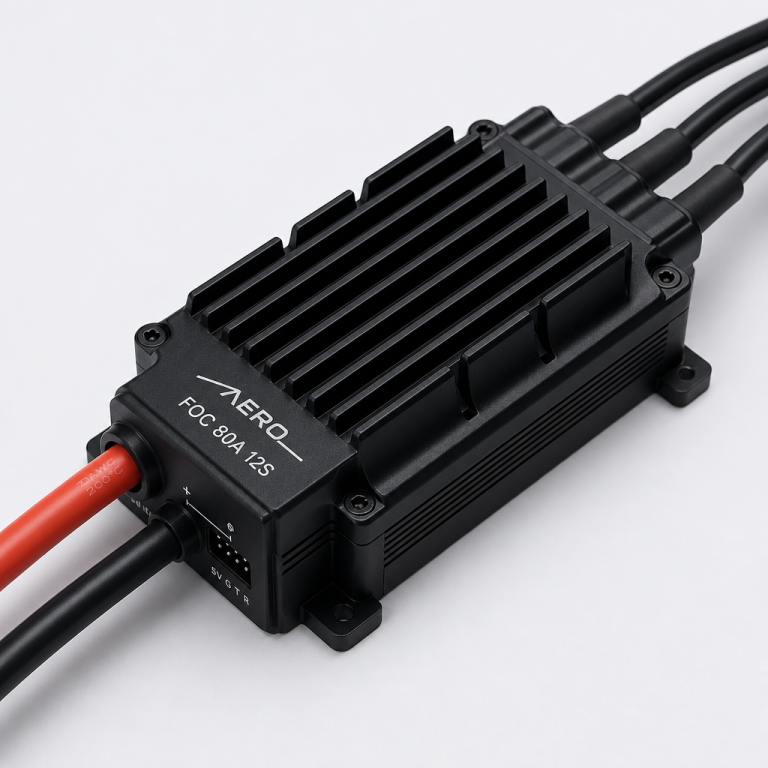 Technical download pack
What sits inside datasheets, CAD exports, and wiring notes before you share files with engineering.
Technical download pack
What sits inside datasheets, CAD exports, and wiring notes before you share files with engineering.
-
 Low-volume OEM samples
How sample marking works before private-label volume, and what to send on the first brief.
Low-volume OEM samples
How sample marking works before private-label volume, and what to send on the first brief.
-
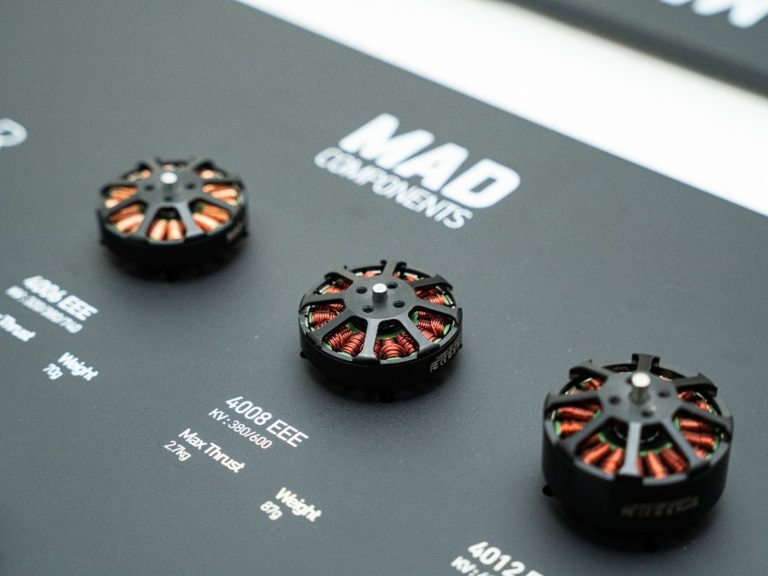 Certifications for partners
ISO9001 paperwork and the documents distributors usually ask for during onboarding.
Certifications for partners
ISO9001 paperwork and the documents distributors usually ask for during onboarding.