


How to Handle a Warranty Claim on Motors and ESCs
“The motor stopped” describes a symptom. It does not identify the delivered part, show the conditions before the event or explain what happened afterward. That is why a useful warranty submission starts with a small evidence packet rather than a diagnosis.
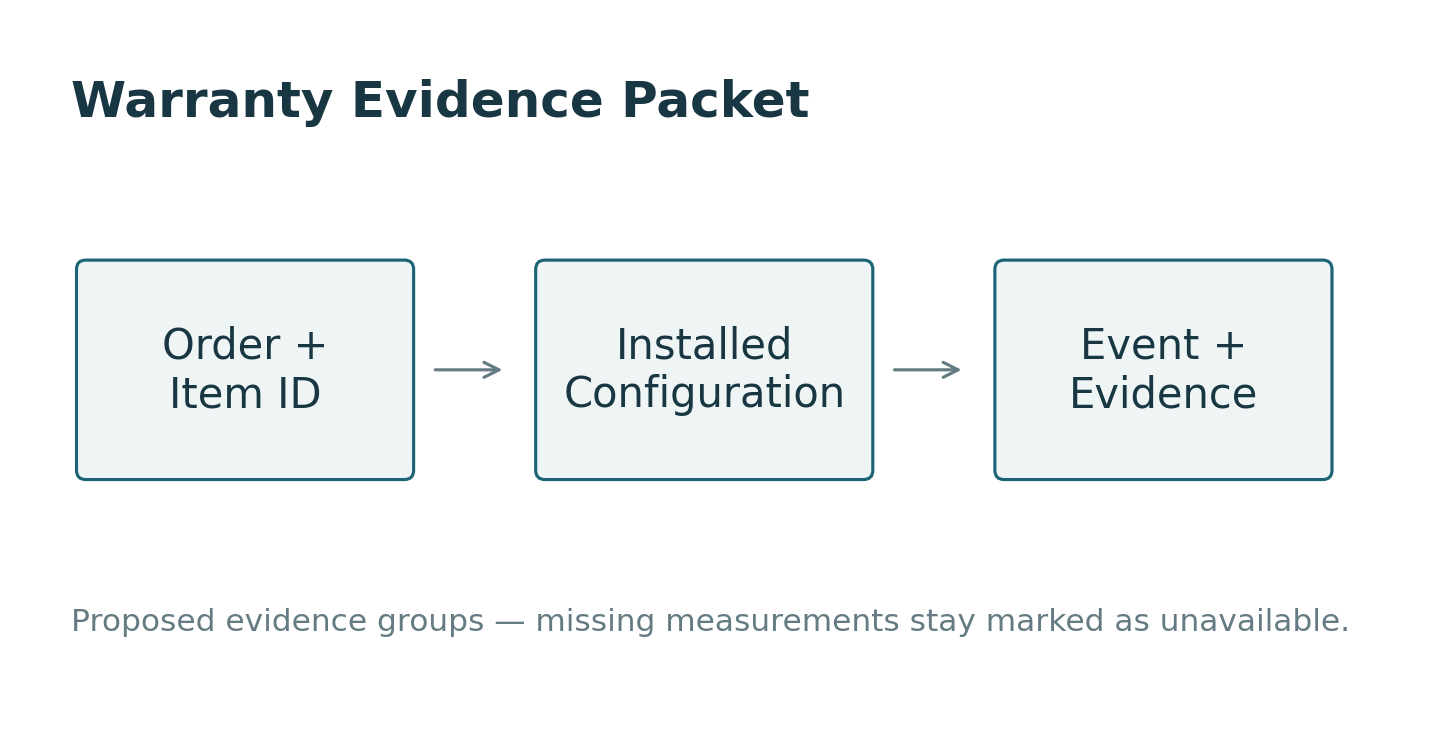
For a dealer or fleet operator, a drone motor warranty claim should connect three things: the purchased item, the aircraft configuration and the reported event. The same approach applies to an ESC claim. It helps the supplier decide what to inspect without losing the distinction between an observed fault and a suspected cause.
Warranty Claim: Evidence and Process Guide
Start with identity and the original condition
Record the exact product name, order or purchase-order reference, delivery details and any serial, lot or revision identifiers present. If a label is damaged, photograph what remains and retain the original packaging label. Do not invent an identifier from a similar unit.
Then record the current condition before changing it. Capture the item as installed, the wiring route, connectors, mounting and visible damage. Keep original image files as well as any annotated copies. A heavily cropped close-up may hide which arm or harness the part came from.
For a damaged or suspect system, stop using it and follow the equipment's isolation and handling instructions. Do not repeat a high-load event merely to obtain a more dramatic video. Evidence from the original occurrence is more useful than a second fault created during an improvised test.

Describe the event without deciding the cause
Write a short timeline in ordinary language. State whether the issue appeared at first setup or after service, what command or flight phase preceded it, and what the operator observed. “Arm 3 stopped during climb and the controller reported an error” is more useful than “bad ESC” when the failed component has not been established.
Separate observed facts from estimates. If current was not logged, say that it is unavailable. If ambient temperature was taken from a nearby weather station rather than an onboard sensor, identify that source. Estimates can still provide context when clearly labeled.
Avoid turning a burn mark into a complete failure explanation. A photograph may show damage, but it rarely establishes when the damage began or which component initiated the event. Let the supplier's review determine what further inspection is needed.
| Claim item | Useful evidence | Keep the distinction clear |
|---|---|---|
| Purchased unit | Order record and item markings | Ordered identity versus assumed model |
| Event | Dated operator account and original log | Observation versus diagnosis |
| Configuration | Motor, ESC, propeller and supply identities | Actual installed parts versus planned BOM |
| Changes | Firmware, repairs or component substitutions | Before-event changes versus later investigation |
| Condition | Overall and detailed photographs | Visible damage versus an inferred cause |
Send the configuration that actually flew
The original quotation may describe a different setup from the one installed at the time of the event. Record the motor variant, ESC model and firmware where known, propeller identity, battery configuration and relevant harness changes. Include the aircraft position of the reported unit.
For an ESC, save the current settings and hardware identification using the supported procedure, if it can be done without further damage. Do not flash another firmware or reset everything before preserving the available record. For a motor, document any previous bearing work, rewinding, connector replacement or mounting change.
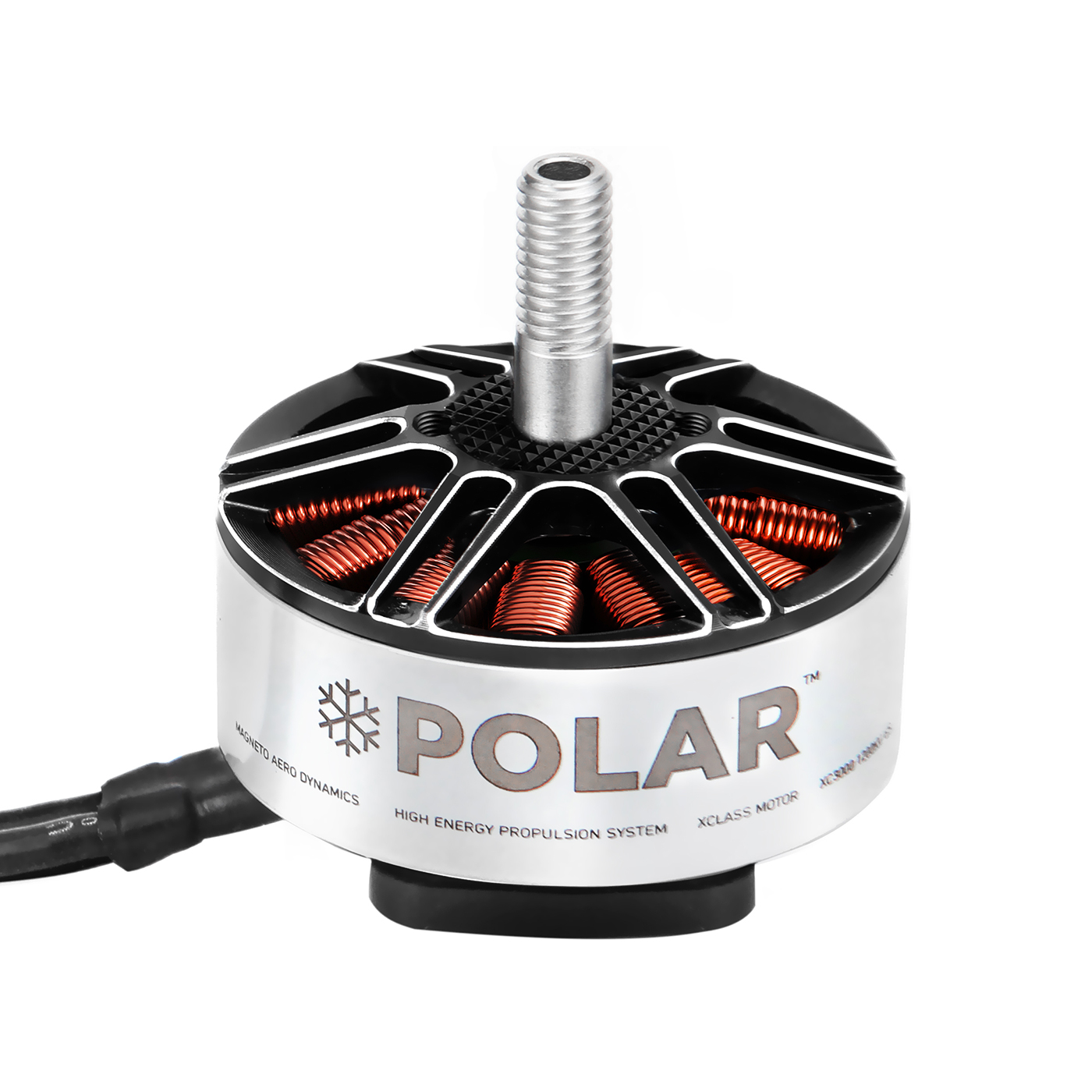
A product page can help establish identity. For example, the MAD 1005 EEE motor page is a reference for that named product, not evidence that an unmarked motor belongs to the same variant. Use photographs and order records to establish the connection.
The drone ESC catalog can likewise help locate the relevant controller family. Do not select a convenient current rating from the category and apply it to a returned controller whose exact model is unknown.
Make logs and photographs easy to correlate
Keep original logs in their native format. If you also send a screenshot, identify the file and approximate event time so the reviewer can find the same point. A graph without units, channel names or a time reference is difficult to use.
For photos, give each returned item a stable case identifier. Use that identifier in the filenames and in the claim list. An overall installation view, a clear product-label view and close-ups of the reported condition serve different purposes; send them as a set rather than making one image carry every detail.
When a video is useful, explain what it shows and whether it records the original event or a later authorized check. Do not run an exposed propeller or energized damaged equipment simply because a video has been requested. Ask what non-operating evidence or approved procedure is acceptable.
For a fleet incident, identify the affected units individually. Report how many units were inspected, how many showed the same symptom and whether their configurations or lots differed. A confirmed population count is more informative than saying “all of them are faulty” after checking only one aircraft.
Get return instructions before shipping the item
Start the case with the quality-support contact form. Send the order reference, concise symptom description and evidence index. Ask whether remote review is sufficient or whether the supplier needs the physical item.
Do not assume every case requires an immediate return. The supplier may first need a label photograph or configuration record. If a return is requested, obtain the destination, case reference, requested contents and packaging instructions in writing. Confirm shipping-cost responsibilities and any handling restrictions before dispatch.
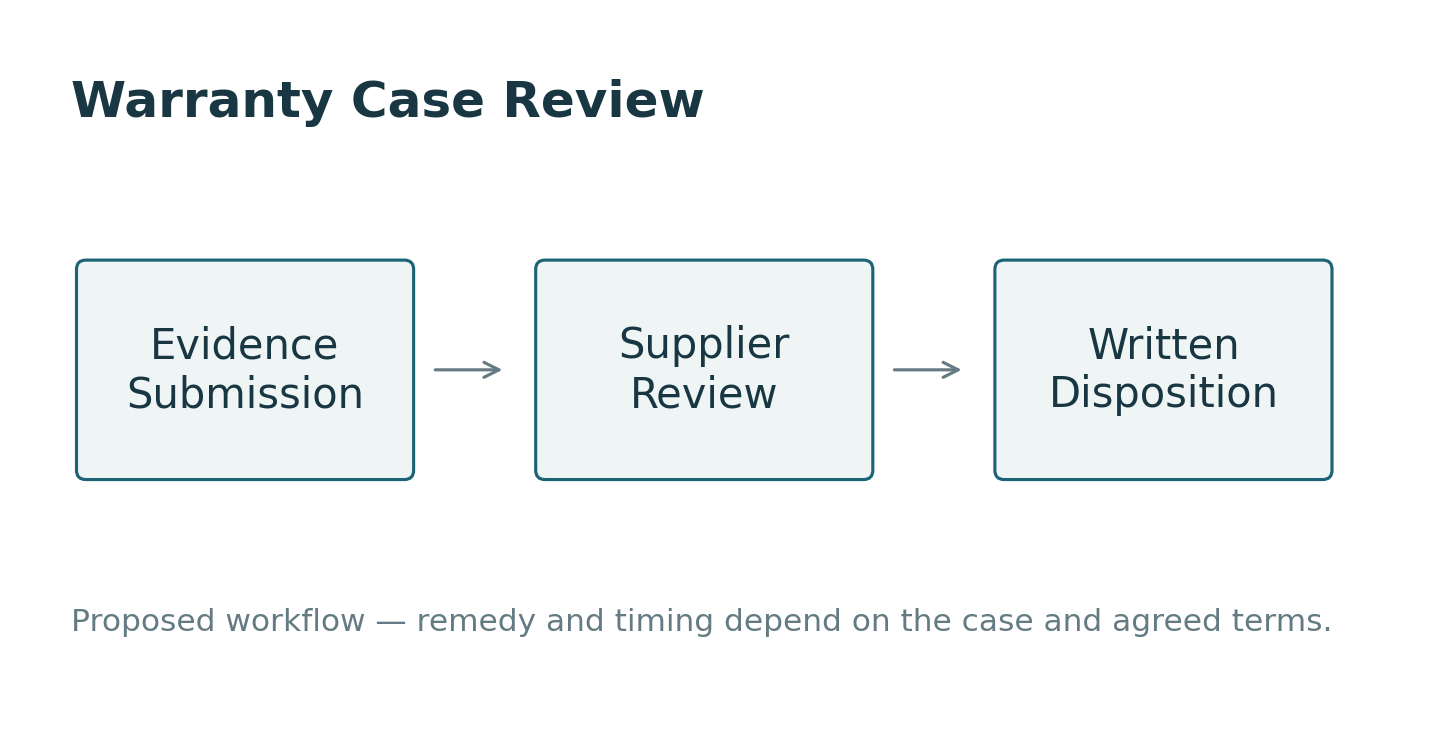
Retain the tracking record and a list of what was shipped. Do not include batteries or unrelated aircraft parts unless specifically requested and accepted under the applicable transport arrangements. The return package should preserve the condition under review, not introduce another handling problem.
Close the case with a written disposition
The claim packet supports a decision; it does not guarantee coverage. Applicable terms depend on the order, product and review findings. Where storefront wording and the agreed order terms differ, request written clarification instead of relying on a generic banner.
At closure, retain the supplier's decision, any repair or replacement identifiers and the conditions attached to returning the part to service. A replaced controller does not by itself establish that the aircraft's wiring, propeller selection or configuration is acceptable.
If the system will be rebuilt around a different combination, handle that as a separate matching decision. The existing matched-propulsion quotation checklist helps organize the technical requirements. Keep the warranty evidence attached to the original configuration so the two records do not get confused.
For the first message to REACHSKY, a concise summary and well-labeled evidence are enough to open the conversation. Add the requested details as the review develops; avoid replacing a missing measurement with a confident guess.
FAQ
Does visible damage automatically rule out a warranty claim?
Do not decide coverage from appearance alone. Submit the original condition and event record, then request a decision under the applicable terms. A photograph cannot establish every cause or contractual outcome.
Should I open the ESC before contacting the supplier?
Preserve the condition and ask for instructions first. Opening, modifying or attempting a repair can change the evidence and may affect the applicable terms. Follow the supplier's authorized inspection procedure.
Can I make a claim without flight logs?
You can still submit the order, item identity, photographs and an honest account of the event. State that logs are unavailable. The supplier may need other evidence or a physical inspection before reaching a decision.
What if several units show a similar symptom?
List each item separately with its case identifier, lot or serial where present, configuration and evidence. Include the number inspected as well as the number affected so the reviewer can assess the reported scope.
Should I buy and fit a replacement before the review finishes?
Fleet scheduling and warranty review are separate decisions. Preserve the original item and records first. Any replacement still needs the correct approved configuration; a pending claim does not establish interchangeability.
How long will a claim take and who pays return freight?
Obtain a case-specific answer. Review time depends on the evidence and whether physical inspection is required. Return freight, remedy and coverage follow the applicable agreed terms, not a general processing estimate.
Warranty claim checklist
Send the product identity, order reference, photos, operating conditions and event timeline before requesting a return. See the ISO 9001 quality-management overview for general process context.
Related UAV resources: contact REACHSKY, UAV propulsion products, and OEM support.
Related articles
-
 Three Blade vs Two Blade Propeller: Heavy-Lift Trade-Offs
One extra blade at the same diameter buys thrust margin and a lower hover RPM, and costs current, peak efficiency and stowed volume. Here is when it pays.
-
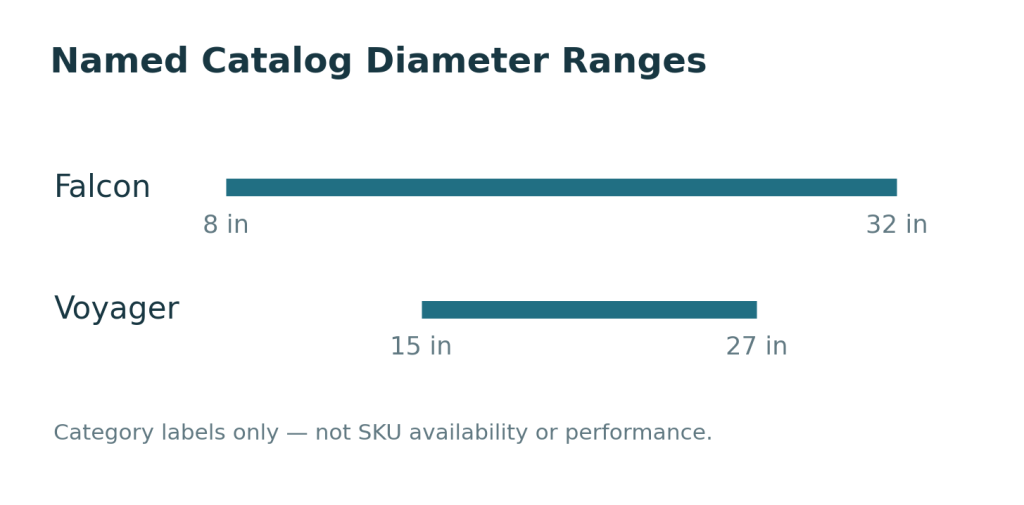 Falcon vs Voyager Propellers for Fixed-Wing UAVs
A fixed-wing propeller shortlist often starts with a diameter limit. The nose, landing gear or pusher installation leaves room for a particular disc, and the buyer searches within…
-
 CW vs CCW Propellers: Avoiding Mix-Ups in Dealer Kits
A box can contain the right diameter, the right pitch and the right number of propellers, yet still be wrong for the aircraft. The missing check is handedness.…
-
 Drone Parts Lead Time: Stock, Samples and OEM Explained
Stock, sample and OEM orders start their clocks on different events. Map each track, buffer the critical path and give suppliers a real ship window.