


EEE vs IPE Drone Motors: Weight and Protection
An EEE vs IPE motor decision starts with the conditions the aircraft will face. A lower component mass helps only if the selected version can tolerate the mission. A protection-focused version earns its place only when the protection claim covers the exposure you actually expect.
REACHSKY’s technical FAQ describes EEE as Enthusiasts Extreme Edition, focused on weight reduction, and IPE as Industry Professional Edition, focused on a higher level of environmental protection. Those names describe design priorities. They do not replace the specification for the exact motor.
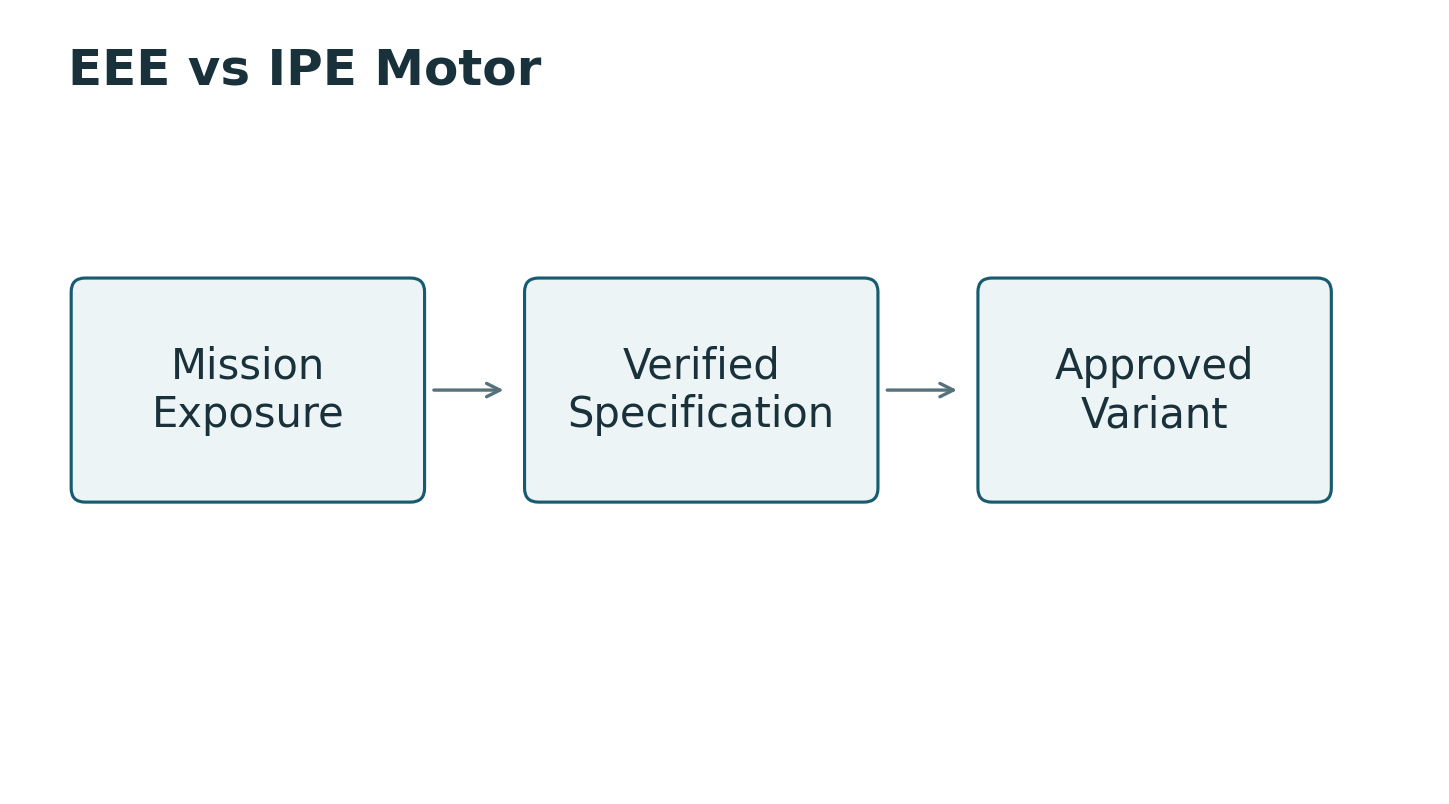
The practical choice is to identify the exposure, verify the variant’s documentation and then compare mass and propulsion performance. Here is how that works with the catalog’s 1005 versions.
EEE vs IPE Drone Motors: Comparison Guide
What the version name can tell you
EEE is the starting point when component mass is a strong design constraint. IPE is the starting point when environmental exposure needs closer attention. Neither is an automatic approval for the aircraft.
Within the drone motor range, compare the same motor family and winding before comparing edition names. A different KV or propeller can change the electrical load enough to obscure the version choice.
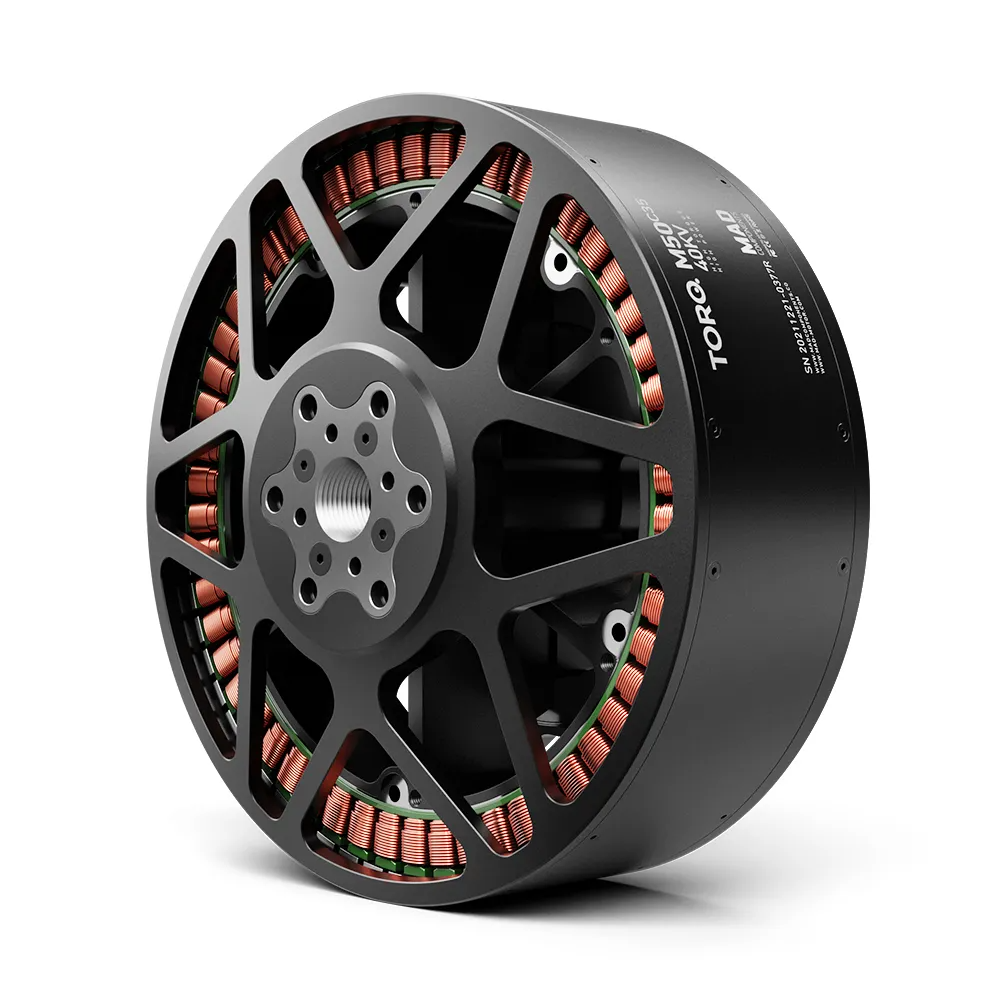
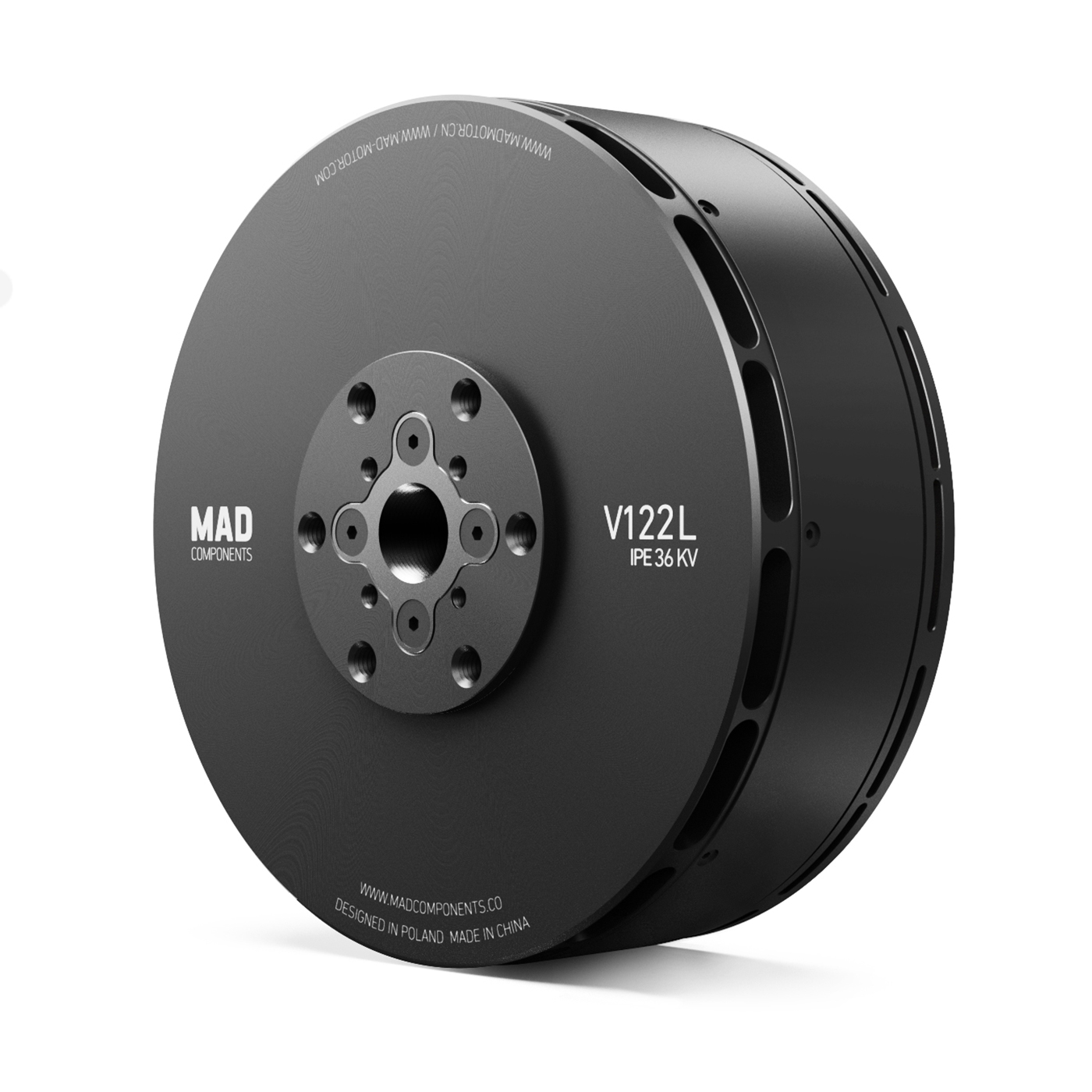
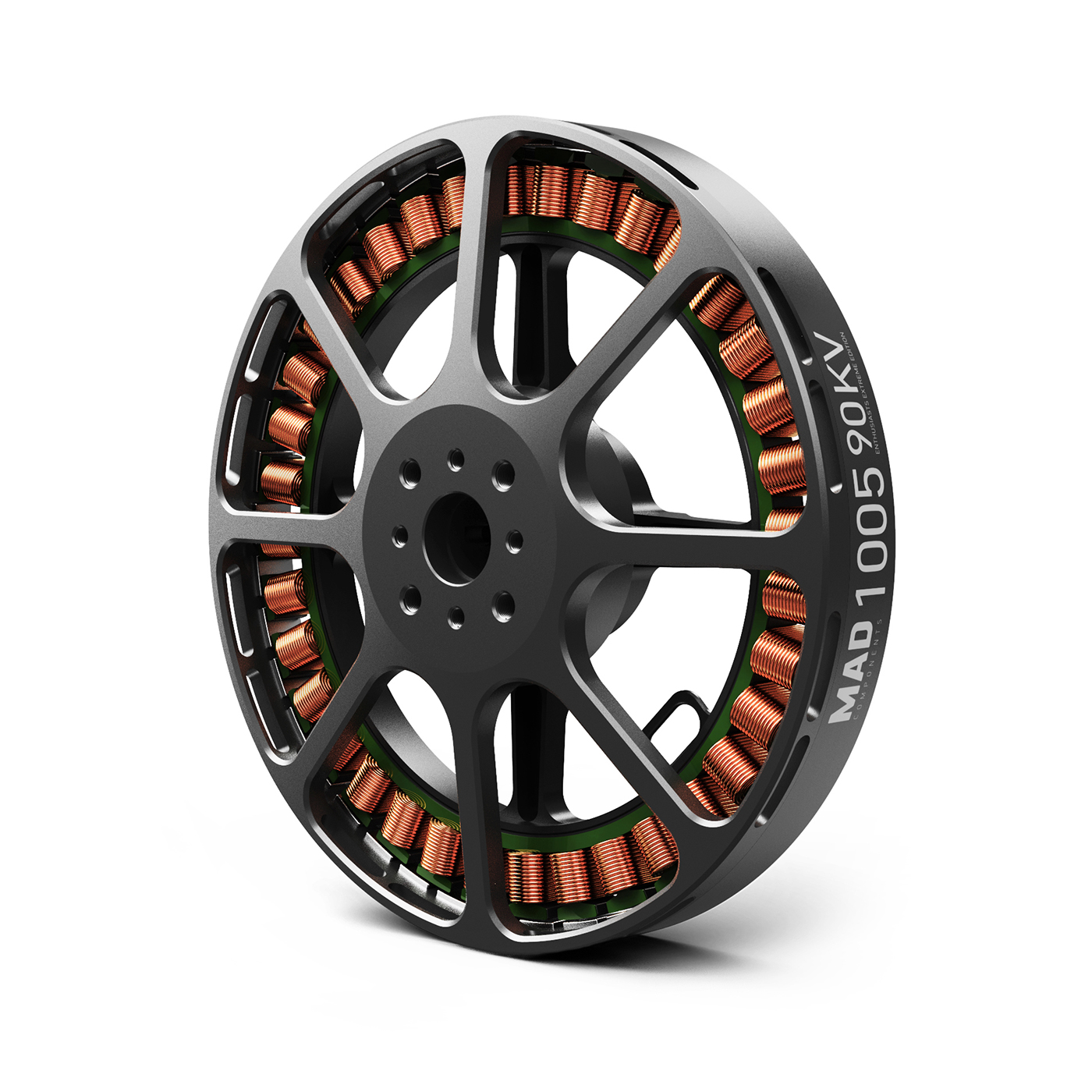
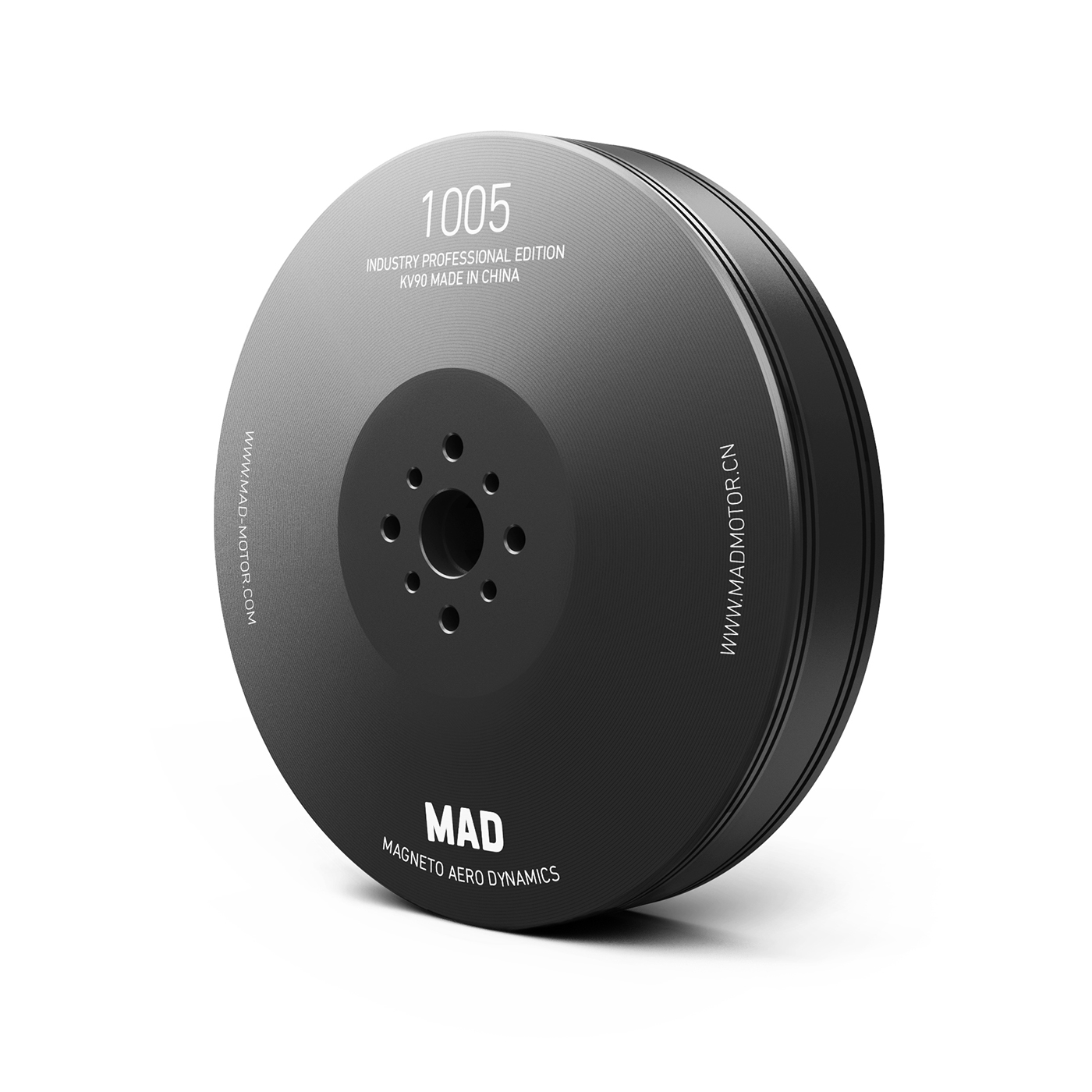
The 1005 product images show a useful external difference: the EEE has open areas through which the windings are visible, while the IPE has a more covered outer face. That is an appearance comparison. It does not reveal the complete internal sealing arrangement or prove a rain, dust or immersion rating.
Compare the actual 1005 listings
The 1005 EEE motor and 1005 IPE motor pages both offer a 90KV option. Their public specification tables also share several entries. These are catalog specifications, not results from a new comparison test.
| Published field | 1005 EEE | 1005 IPE | Meaning for the buyer |
|---|---|---|---|
| Available KV option | 90KV | 90KV | Compare the same winding; KV alone does not establish interchangeability. |
| Listed motor envelope | D:107 × 22.5 mm | D:107 × 22.5 mm | Use the drawing to check the installed envelope and mounting details. |
| Motor mounting notation | D:32 M4 × 4 | D:32 M4 × 4 | Confirm the bolt circle, thread and permitted fastener engagement. |
| Public protection wording | Rain protection | Rain protection | The table does not quantify a difference between these versions. |
| Mass wording | 279 g | 279 g in the short description; 320 g in the detailed features | Resolve the IPE inconsistency before calculating a weight saving. |
That last row matters. Subtracting 279 g from 320 g would look like a straightforward comparison, but the IPE listing itself contains conflicting values. Until the supplier confirms the current variant and the weighing boundary, an exact EEE-to-IPE mass saving is unverified.
Ask whether the quoted mass includes the standard leads, mounting hardware and any adapter. Then weigh the evaluation samples on the same basis. Keep that result with the SKU and drawing revision so procurement can use it on repeat orders.
Turn “outdoor use” into a requirement
“Outdoor” is too broad to select a motor version. A survey aircraft operating from a dry paved area has a different exposure from a machine landing near crop residue, wet grass or fine construction dust.
Describe what reaches the motor, when it reaches it and how the aircraft is maintained afterward. Useful details include airborne dust, splash direction, rain during operation, condensation during storage and any cleaning process. State the expected duration and the installed orientation as well.
For a clean, dry mission with a strict mass budget, evaluate the EEE version first. For recurring wet or contaminated conditions, ask the supplier to assess the IPE version against that exposure. This is a shortlist decision; documentation and sample validation still determine acceptance.
Do not turn a protection-oriented name into permission for pressure washing, salt-water exposure or submersion. The public 1005 tables reviewed here say “Rain protection.” They do not provide an IP code, an ingress-test report or a complete operating procedure for those conditions.
Ask for protection evidence that matches the installation
A useful supplier response identifies the exact version, the stated protection level, the test method and the conditions covered. If an IP rating is claimed, request the report and its product scope rather than adding the code to the PO from a family description.
Check what the evidence includes. The motor housing, bearings, cable exit and exposed connectors are different interfaces. A claim covering the motor does not automatically cover the complete propulsion installation, and a controller elsewhere on the arm can have a different environmental limit.
Installation instructions also matter. An approved orientation, drainage requirement or cleaning restriction can affect the frame design and service procedure. Resolve those details while the aircraft is still being specified.
Check propulsion performance after the version is chosen
The shared 90KV option and similar listed dimensions do not prove that two complete propulsion combinations will deliver identical current, temperature or endurance. Use a thrust report that identifies the actual motor version, propeller, supply voltage and ESC.
For an endurance platform, compare electrical input at the required thrust rather than comparing only maximum thrust. Review the sustained duty separately from a short throttle sweep. Environmental suitability and the thermal result both need to work in the intended installation.
The public material reviewed for this article does not include a controlled EEE-versus-IPE test at matched thrust with complete environmental and thermal conditions. It therefore supports a version-selection process, not a numerical efficiency ranking.
If your team already flies an EEE combination, changing to IPE should enter the engineering change process. Confirm fit, mass, center of gravity, current and temperature before releasing the substitute to production. The same approach applies in the other direction.
What to put on the sample request
Keep the request specific enough that engineering and purchasing can approve the same part:
- Motor family, edition, KV and drawing revision.
- Propeller, maximum pack voltage and required thrust duty.
- Expected water, dust or chemical exposure and the installed orientation.
- Mass definition, lead length and included mounting hardware.
- Required protection evidence and sample acceptance checks.
A buyer might write: “Please confirm the current 1005 IPE 90KV mass, including standard leads, and provide the environmental protection specification for the attached installation.” That is more actionable than asking for the waterproof version.
Keep the approved response, sample photographs and inspection results with the PO. A later replacement should match the accepted edition and revision, rather than merely carrying the same family number.
Buying advice
Choose EEE when its verified specification meets the mission and the mass result helps the airframe. Choose IPE when its documented protection addresses an exposure the EEE version has not been accepted for. If the supporting information is incomplete, close that gap before assigning either version to production.
For a version review, send the motor and operating requirements, including the proposed propeller, voltage, exposure and sample quantity. Ask for the current drawing, confirmed mass and applicable protection documentation with the reply.
FAQ
Does IPE mean the motor has an IP rating?
The edition name alone does not establish one. The 1005 public tables reviewed here use the wording “Rain protection” without an IP code or test report. If your specification requires a particular ingress rating, obtain documentation for the exact variant and confirm the installation conditions it covers before approving the motor.
How much lighter is the 1005 EEE than the IPE?
An exact difference is not confirmed by the current pages. The EEE listing states 279 g, while the IPE page contains both 279 g and 320 g. Request a corrected specification and a consistent weighing boundary. Sample measurements should include the same lead and hardware assumptions for both versions.
Can I use an EEE motor outdoors?
Assess the specific exposure rather than the word outdoors. Dry operation, airborne dust, rain and cleaning are separate conditions. Compare the documented limits with your installation and maintenance procedure. This article does not establish approval for any particular weather condition, and the edition name cannot replace that review.
Can I replace an EEE motor with the same-family IPE?
Treat it as a component change. Confirm KV, mounting, mass, leads and the motor–propeller–ESC operating data. Similar dimensions and the same nominal KV do not prove identical installed behavior. Validate the revised combination before treating it as an approved fleet spare or making the change on a production bill of materials.
Does a more covered housing guarantee better cooling?
No cooling result follows from the photograph alone. Housing geometry, airflow, internal construction and the operating point all affect temperature. Compare the actual versions under the required thrust and installation conditions. Neither visible openings nor a covered face is enough to assign a continuous-duty capability.
What should a distributor record to prevent version mix-ups?
Record the edition as well as family number and KV. Keep the approved drawing revision, lead configuration, packaging code and sample photographs with the purchasing record. Where mass or protection is a release condition, retain the supplier’s confirmed specification so a later shipment is checked against the same requirement.
Related UAV resources: drone motor range, propulsion products, and contact REACHSKY.
Related articles
-
 Motor Desync High Current: Causes and Fixes
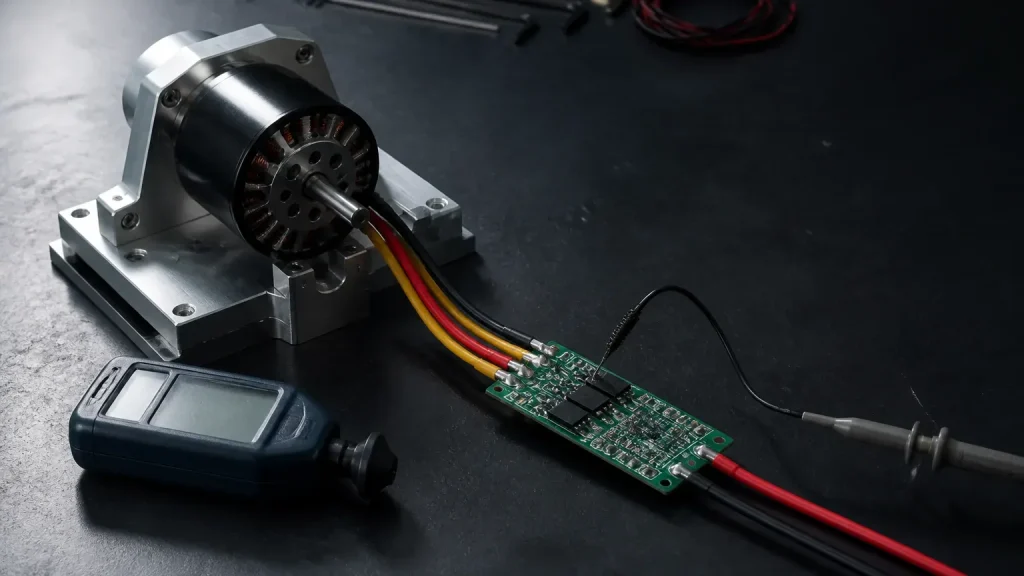
Why a motor loses commutation exactly when current climbs, the six causes in the order worth checking, and a bench routine that makes desync repeatable.
-
 FPV Motor Series Explained: BSC, CM, FS and KONKER
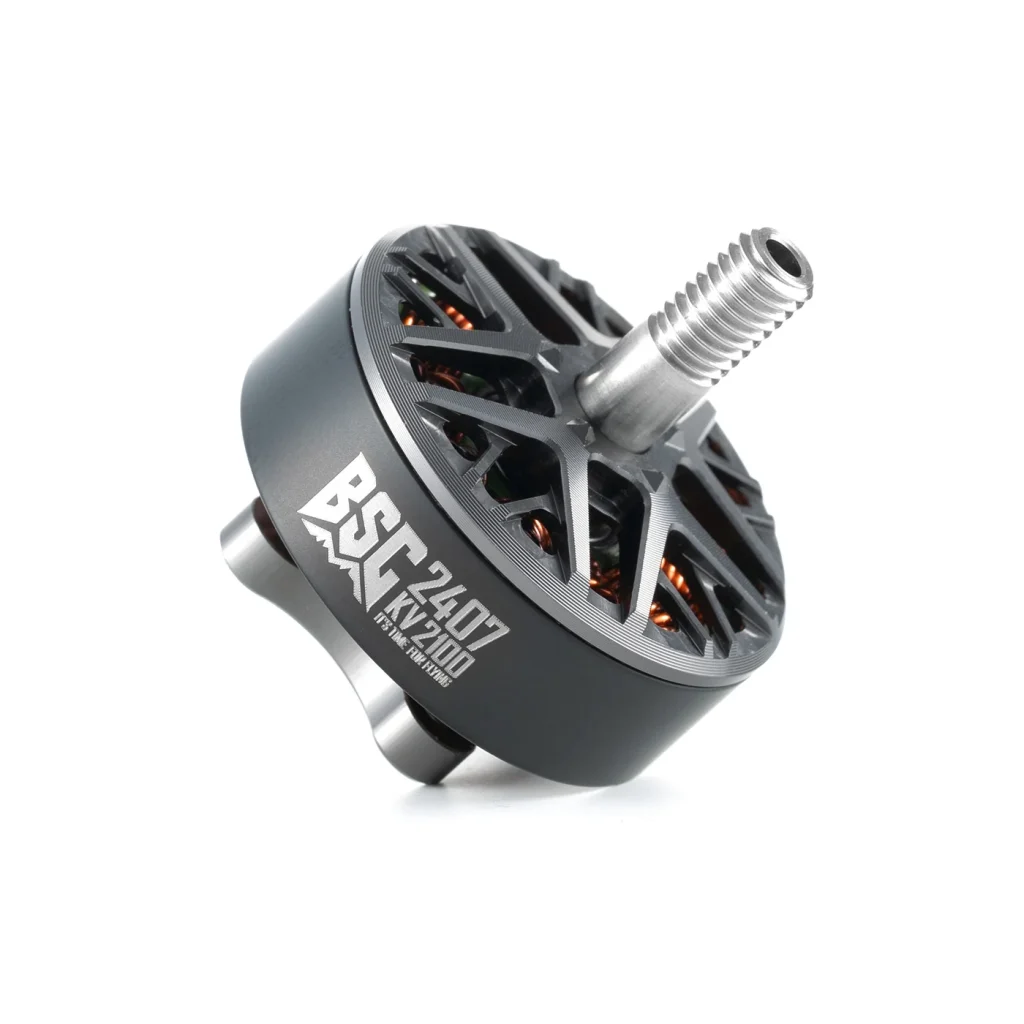
A series name helps you find a motor. It does not finish the selection. ??inematic??is not a payload rating, ??reestyle??is not a battery specification, and ??asic??does not tell…
-
 Drone Motor Bearing Maintenance and Replacement Intervals
A motor that sounds different after a prop strike needs an inspection, even if it is far from its planned service date. A motor that sounds unchanged still…
-
 Heavy-Lift Drone Motor Selection: Payload, Thrust and Redundancy
A step-by-step heavy-lift drone motor selection method: payload to all-up weight, thrust per arm, redundancy reserve, then a datasheet check on the AM110.