


CW vs CCW Propellers: Avoiding Mix-Ups in Dealer Kits
A box can contain the right diameter, the right pitch and the right number of propellers, yet still be wrong for the aircraft. The missing check is handedness. Two CW units do not make a CW/CCW pair, even when their packaging looks almost identical.
For a dealer, the problem often starts before installation: a pair gets split into loose stock, a replacement is picked by size alone, or an order says “four props” without defining whether that means individual propellers or pairs. A useful CW CCW propeller specification has to survive all three steps—ordering, picking and receiving.
CW vs CCW Propellers: Ordering and Handling Guide
Define the viewing direction before using CW or CCW
CW means clockwise and CCW means counterclockwise, but those words need a viewing reference. A rotating shaft viewed from opposite ends appears to turn in opposite directions. An aircraft drawing, a motor label and a warehouse note are only consistent when they use the same reference.
Write that reference into the approved aircraft configuration and the supplier's order confirmation. Do not assume the viewpoint used by one catalog applies to every manufacturer. Likewise, “left,” “right,” “front” and “rear” are installation positions, not universal substitutes for propeller handedness.
Keep the aircraft position map separate from the stock identity. A bin can identify an approved CW propeller; the aircraft drawing determines which position receives it. That separation prevents a warehouse label such as “front left” becoming wrong when the same stock is supplied to a different airframe.
Make the unit of sale impossible to misread
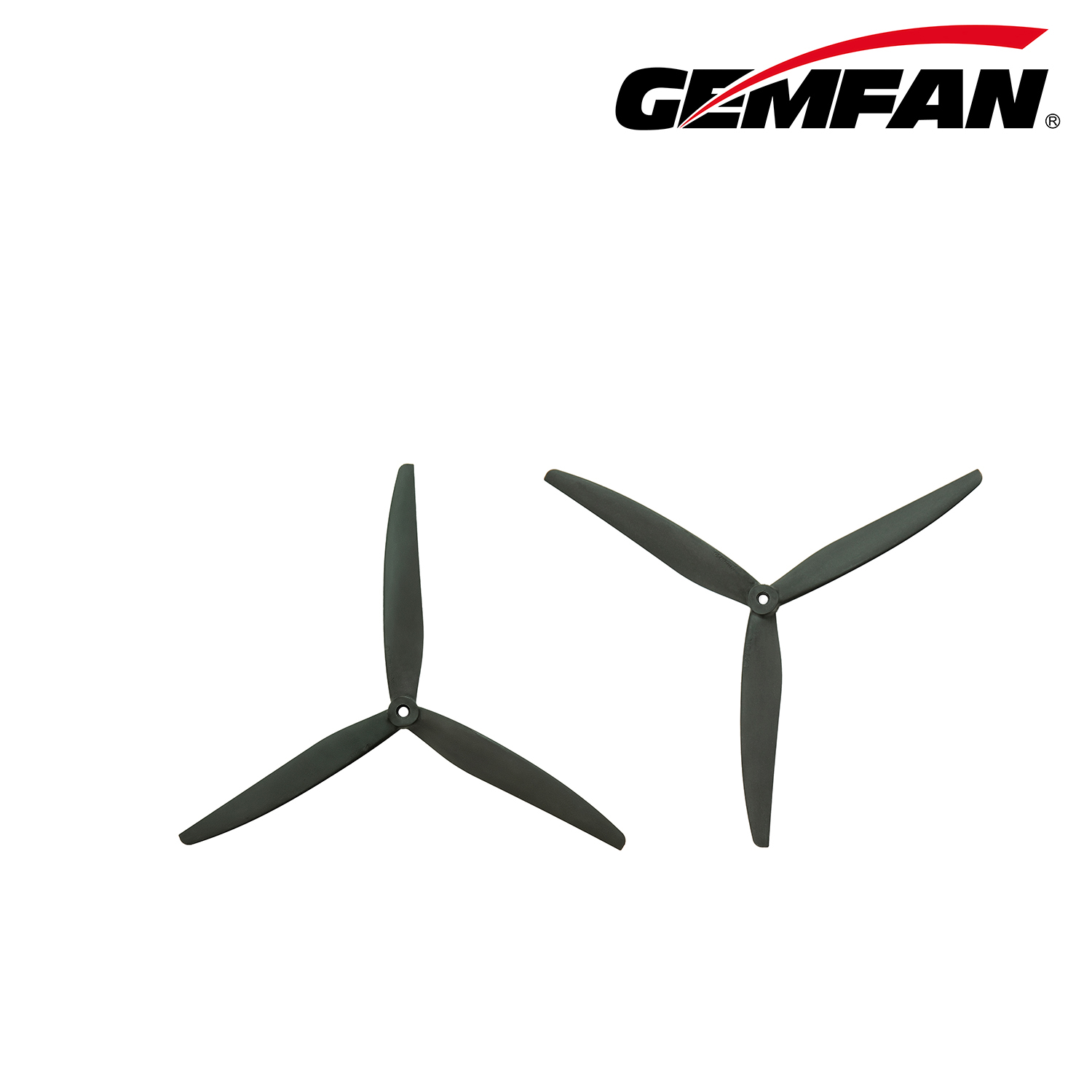
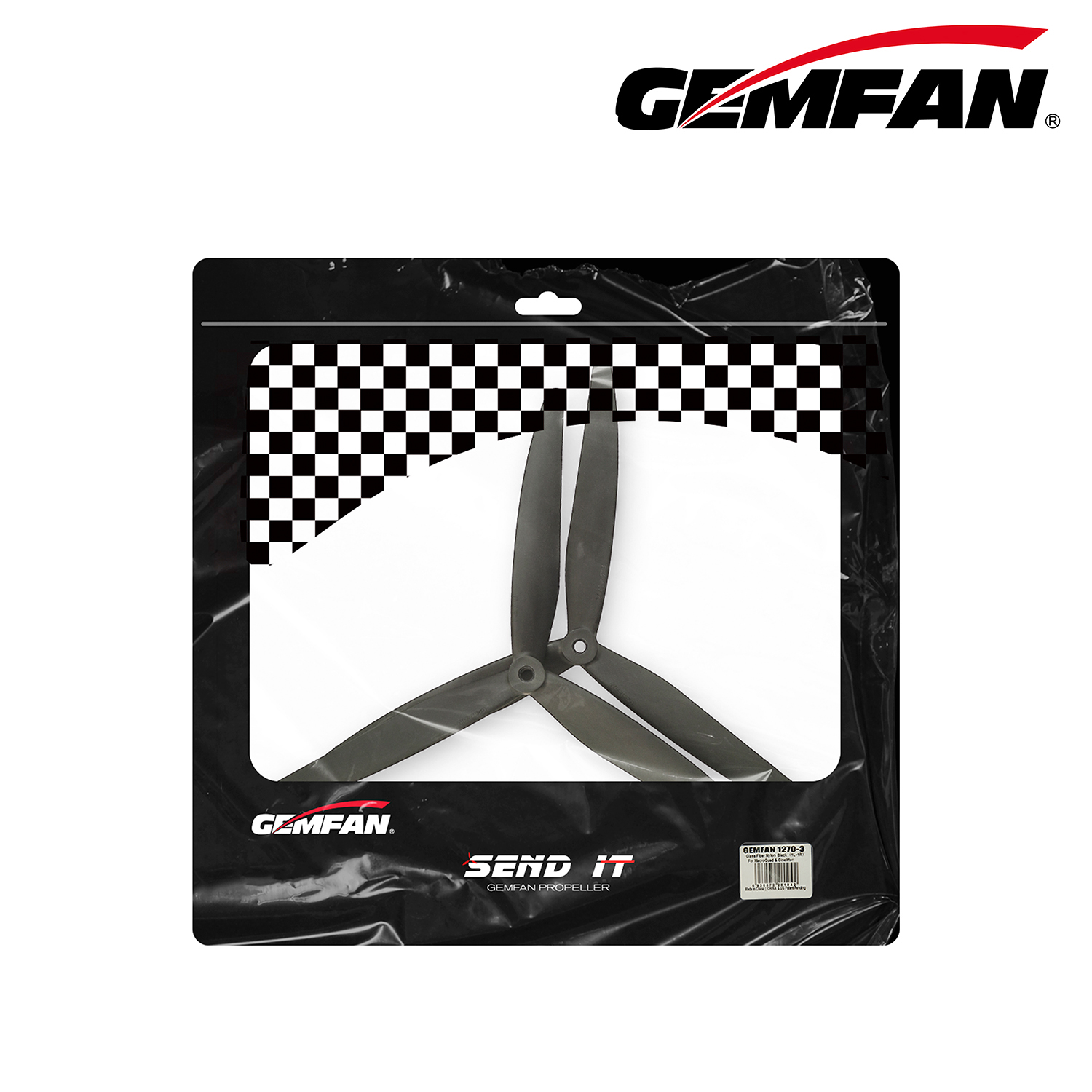
该 Gemfan 1270-3 玻璃纤维尼龙螺旋桨(1CW+1CCW) provides a concrete example: its published product name specifies one CW and one CCW. The details identify glass fiber nylon material. Those are useful ordering facts; they do not establish a match to an arbitrary motor or aircraft.
Carry the “1CW+1CCW” wording onto the purchase order and picking instruction. A purchase quantity of two can otherwise mean two individual props, two pairs or two complete aircraft sets, depending on the system receiving it.
| Order field | What to record | What it prevents |
|---|---|---|
| Supplier product identity | Exact model and revision, where provided | Substitution by a similar size |
| Rotation | CW or CCW, with the agreed reference | Wrong-handed loose spares |
| Unit of sale | Individual propeller, pair or defined kit | Quantity that looks correct but is not |
| Contents per unit | Explicit CW count and CCW count | Two identical units packed as a pair |
| Aircraft allocation | Approved position map or kit BOM reference | A valid part fitted to the wrong position |
For a hypothetical kit requiring two of each handedness, write “2 CW + 2 CCW individual propellers.” That is an example of clear counting, not a recommendation for every four-motor aircraft. Use the actual rotation layout approved for the build.
Keep handed stock separate after a pair is opened
Opening a pair to supply one replacement creates a new inventory condition. The remaining piece is no longer a complete pair. If it goes back into the pair bin, the next picker inherits a shortage that the stock count may hide.
Use separate locations or clearly separated containers for complete pairs, loose CW units and loose CCW units. Record the split in the inventory system instead of relying on a handwritten note left inside the packaging. A returned item needs its own review status until identity, condition and contents are confirmed.
The label should lead with the exact part identity and handedness. Color can help a picker find the right location, but it should be a secondary cue. Different suppliers may use different colors, and a monochrome packing document still has to work.
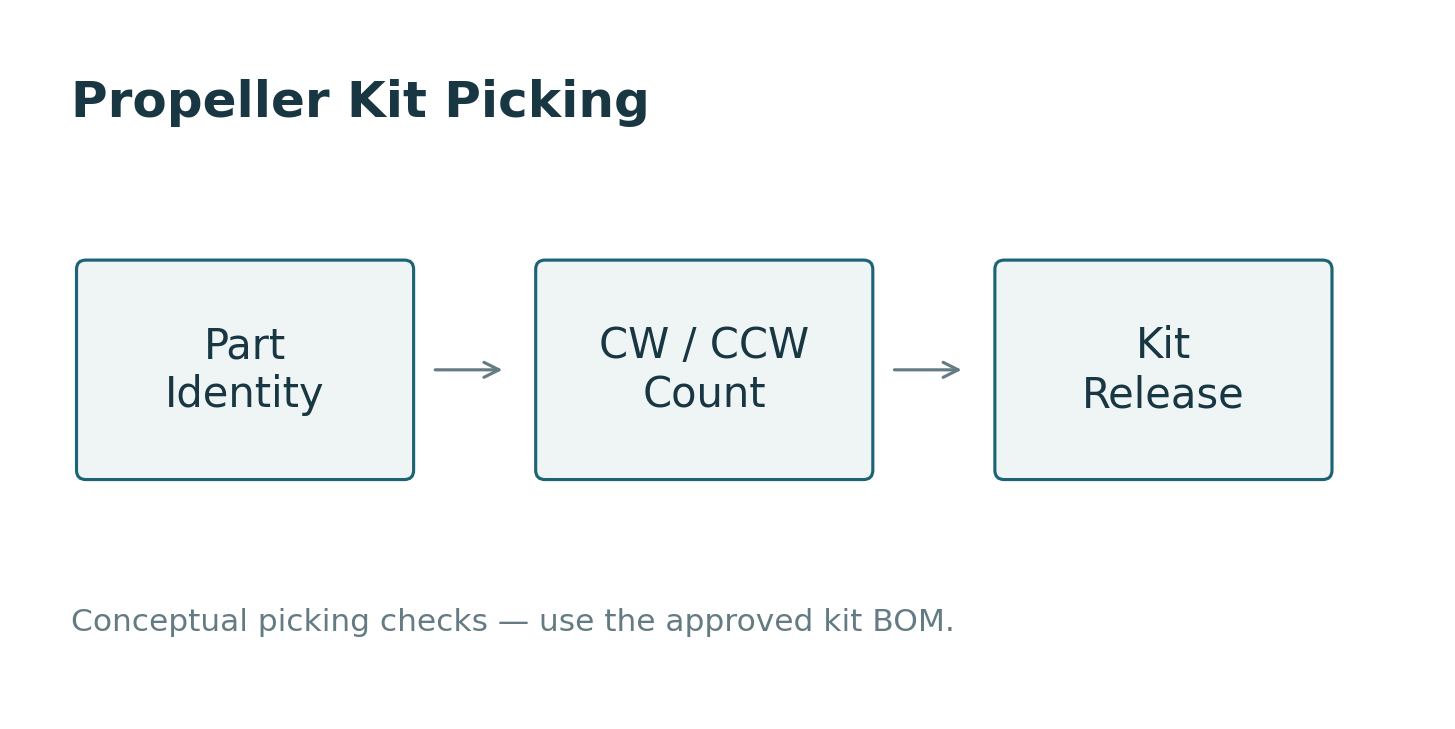
A common mistake is to treat a warehouse stock adjustment as an engineering substitution. Finding a propeller with the same printed size does not authorize mixing another series, blade design, hub or material into the set. When the approved part is unavailable, send the alternative through the aircraft's configuration review before offering it as interchangeable stock.
Check the physical part, then close the kit
Receiving inspection starts with the supplier label, but it cannot end there. Check the actual item against the approved identification information: model, rotation marking where present, mounting interface and visible condition. If a direction mark is absent or ambiguous, hold the item for clarification rather than guessing from a photograph.
Photograph both the package identification and the relevant part markings. A generic image of a sealed shipping box will not resolve a later disagreement about handedness. Keep those records tied to the shipment or lot identifier supplied with the order.
At kit closure, compare the physical CW and CCW counts against the kit BOM. Checking only the total piece count misses the failure this process is meant to catch. For loose stock, count by handedness before the parts disappear into protective packaging.
Packaging should keep blades and hubs protected during handling without obscuring the kit identity. The exact protective arrangement depends on the propeller and shipment; this article does not prescribe a universal packing material or stacking limit. The final label should let the receiver tell a complete pair from a single spare without opening every package.
Give replacement orders their own short form
“Send the same prop again” is weak replacement information. Aircraft may have been rebuilt, original pairs split, or part numbers superseded since the first purchase. Ask for the original supplier identity, the required handedness, the number of individual pieces and a photograph of the existing label or marking.
该 drone propeller catalog is a starting point for locating the product family, not evidence that every listed propeller can replace another. Use the exact product record to confirm the order. If the model identity is missing, resolve that gap before converting a photograph into a sales item.
If the buyer is also uncertain about diameter and pitch notation, the existing guide to reading propeller sizes covers that separate question. Keep size decoding out of the handedness decision: both checks must pass.
Buying advice
For dealer replenishment, send REACHSKY a line-by-line list with model, CW count, CCW count and unit of sale. Include the approved viewing reference or position drawing when terminology could be misunderstood. For mixed or incomplete records, use the technical inquiry form to confirm the configuration before ordering.
The practical goal is modest: the receiver should be able to check what arrived without reconstructing the order from a photograph or a previous conversation.
常见问题解答
Can I reverse the motor to use a propeller of the other handedness?
Do not treat motor reversal as an approved replacement procedure. Rotation, blade orientation, mounting retention and the aircraft's control configuration must agree. Follow the aircraft and propulsion documentation before changing any of them.
Does one pair always mean enough propellers for one aircraft?
No. A pair describes the seller's package contents. The aircraft BOM defines its required quantity and rotation layout. State both the number of pairs and the corresponding count of individual CW and CCW units.
Can the blade color identify CW and CCW stock?
Only if that color convention is explicitly documented for the particular product. Keep the written identity and rotation marking as the reference, with color as a supporting warehouse cue.
What should a dealer do with the unused half of an opened pair?
Record it as a loose item of the correct handedness and keep it out of complete-pair stock. Preserve the original model and lot information where available, and protect it using the applicable handling instructions.
Is a same-size propeller from another series a valid emergency spare?
Size alone does not establish interchangeability. Hub details, blade geometry, material and the tested propulsion configuration also matter. Obtain an approved substitution rather than creating one at the picking bench.
What if the physical marking disagrees with the package label?
Quarantine the item and retain photographs of both. Ask the supplier to resolve the identity before releasing it into usable stock or installing it on an aircraft.
CW vs CCW propeller checklist
Confirm viewing direction, unit of sale and pair contents before picking or shipping. For general product identification context, see the ISO 9001 quality-management overview.
Related UAV resources: buying guides, UAV products, and contact REACHSKY.
相关文章
-
 Three Blade vs Two Blade Propeller: Heavy-Lift Trade-Offs
One extra blade at the same diameter buys thrust margin and a lower hover RPM, and costs current, peak efficiency and stowed volume. Here is when it pays.
-
 Falcon vs Voyager Propellers for Fixed-Wing UAVs
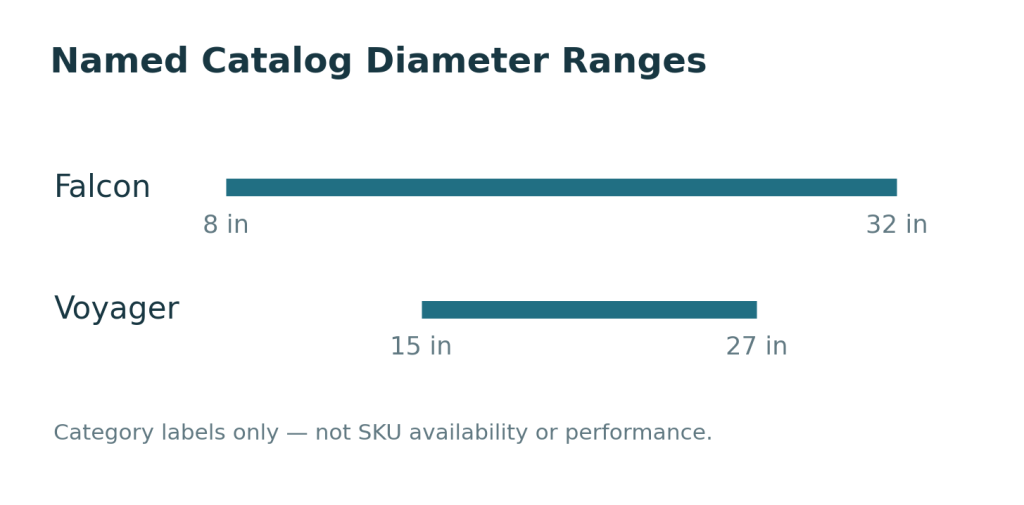
A fixed-wing propeller shortlist often starts with a diameter limit. The nose, landing gear or pusher installation leaves room for a particular disc, and the buyer searches within…
-
 How to Handle a Warranty Claim on Motors and ESCs
“The motor stopped” describes a symptom. It does not identify the delivered part, show the conditions before the event or explain what happened afterward. That is why a…
-
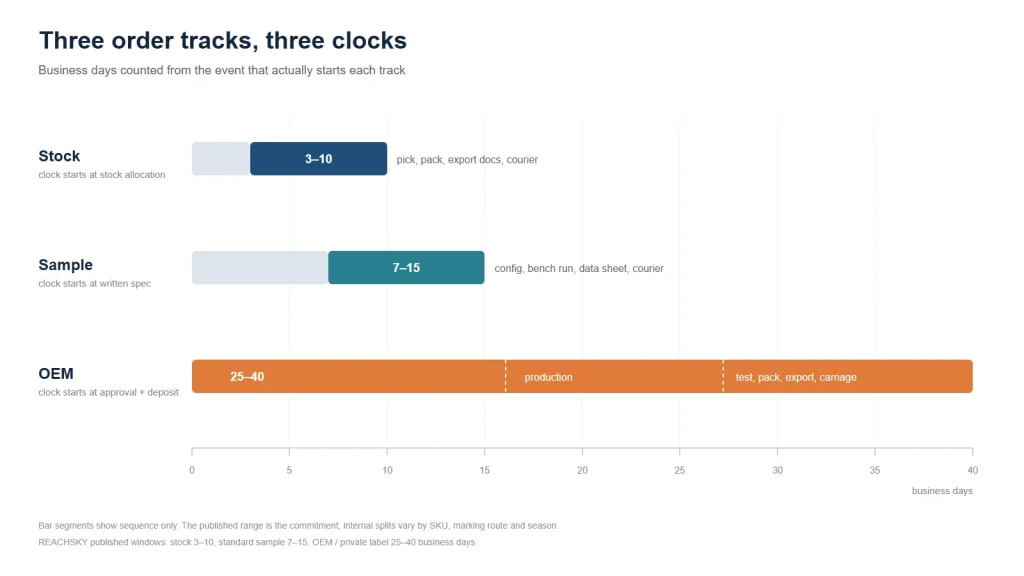 Drone Parts Lead Time: Stock, Samples and OEM Explained
Stock, sample and OEM orders start their clocks on different events. Map each track, buffer the critical path and give suppliers a real ship window.