


Fixed vs Folding Propellers for Multirotor and eVTOL
Fixed and folding propellers solve different packaging and operating problems. Fixed props are simple and rigid; folding props can reduce stored length but add hinge, stop and blade-fit inspection points.
Related UAV resources: UAV motors, OEM support, and contact REACHSKY.
Fixed vs Folding Propellers: When fixed props fit
Fixed props are easy to inspect, balance and replace. They suit platforms where storage length is acceptable and the operator values a simple blade-to-hub interface.
When folding props help
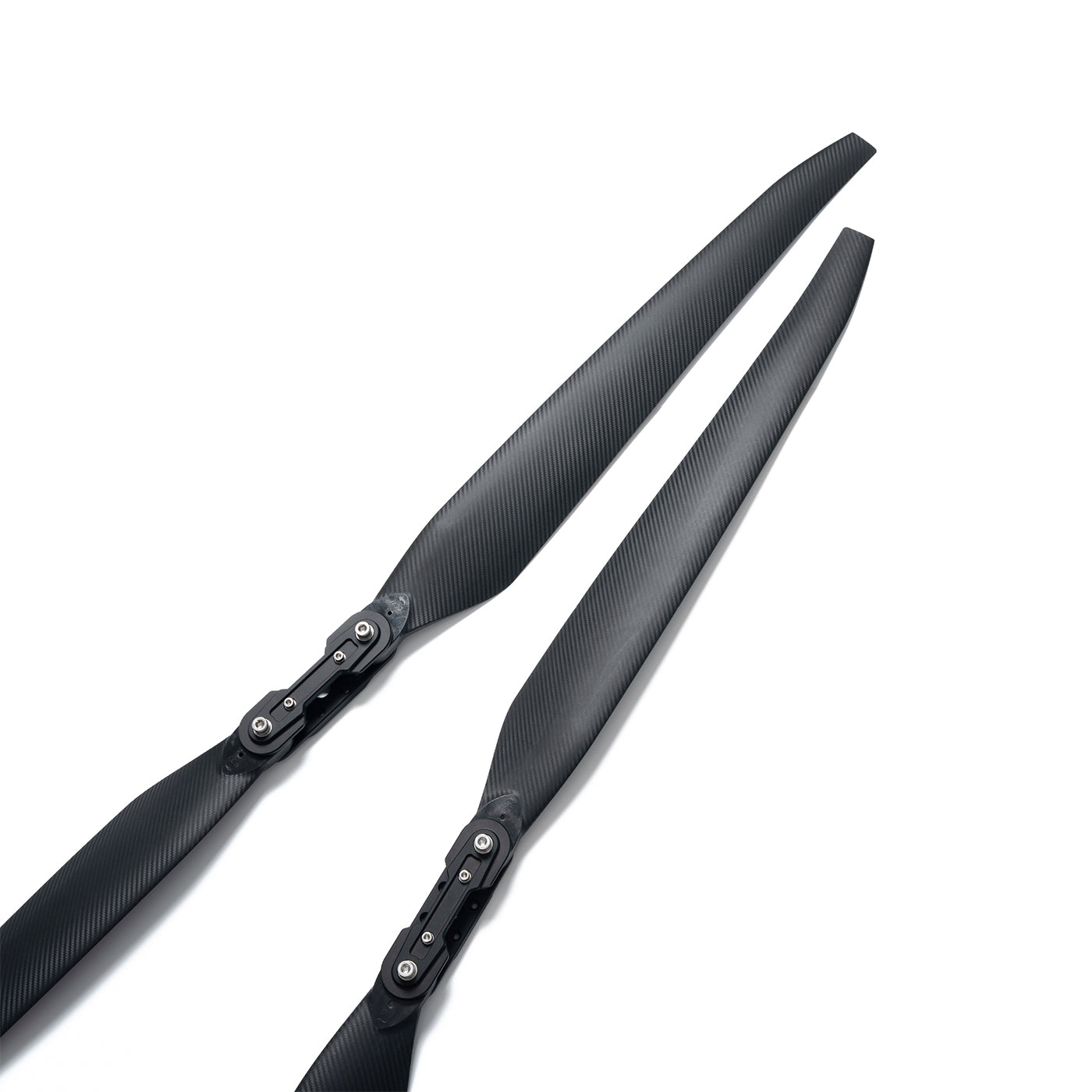
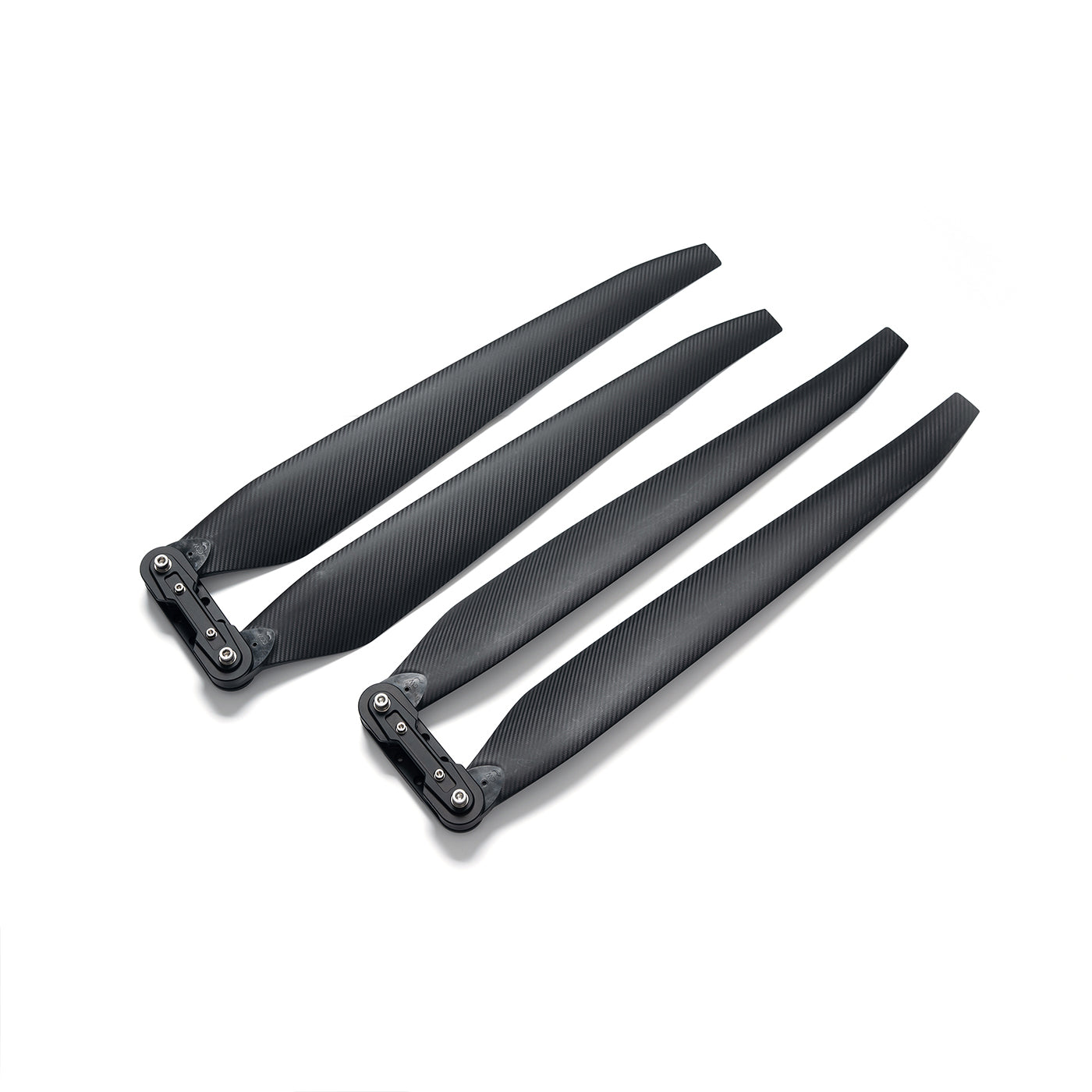
Folding blades can reduce transport volume for large multirotor or eVTOL equipment. Confirm that the hinge opens fully, stops consistently and remains free of damage.
Procurement checklist
- Confirm diameter, pitch and motor clearance.
- Check shaft, hub and mounting pattern.
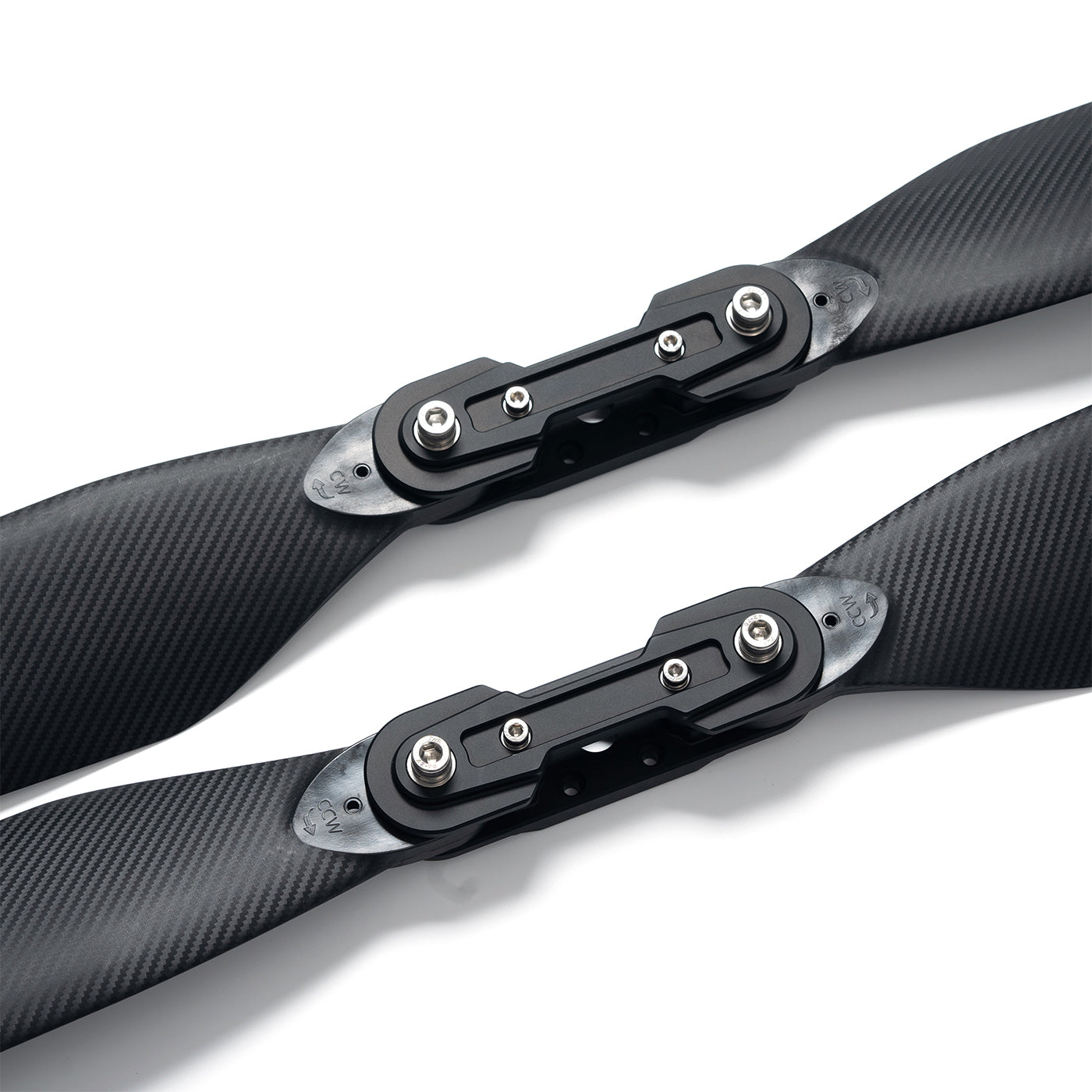
- Verify CW/CCW marking and packing pair.
- Define hinge inspection and spare-blade rules.
Storage and transport can change the decision
Large fixed propellers can dominate the packed length of a multirotor or eVTOL system. Folding props may reduce the packed envelope, but the saving should be measured with the hub, fasteners and protective packaging included. A smaller carton is useful only if the folding hardware remains protected during repeated handling.
For distributors, define how fixed and folding versions are identified in the carton and picking list. Clear CW/CCW labels and a consistent spare-parts rule reduce the risk of shipping a visually similar but incompatible blade.
Rigidity, balance and vibration
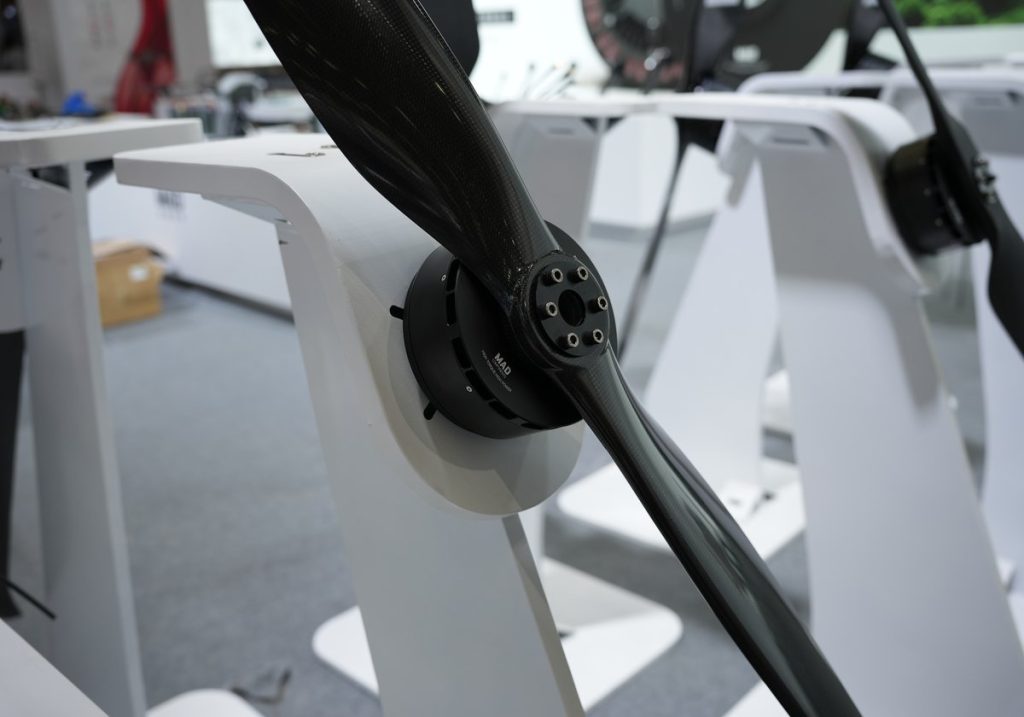
Blade stiffness, hub fit and balance influence vibration more than the word fixed or folding alone. Inspect the blade root, hinge or stop, fasteners and hub contact surface. After installation, confirm that the blade seats consistently and that the motor-propeller assembly is balanced according to the platform’s maintenance procedure.
Fixed and folding props in an RFQ
State the required diameter, pitch, rotation, hub pattern, material, quantity and packaging. For a folding model, add the folded length, hinge or stop requirements and the conditions for replacement. If the application is eVTOL, specify whether the propeller is used mainly for hover, transition or cruise because the operating point changes the selection.
Common procurement mistakes
- Comparing diameter and pitch while ignoring hub and shaft compatibility.
- Ordering a CW/CCW pair without checking the marking convention.
- Assuming a folding hinge is maintenance-free.
- Using a product photo from one size to represent every size in a series.
- Changing propeller material without repeating the motor and ESC review.
Material and repair strategy
Carbon-fiber and polymer blades can behave differently under impact, temperature and repeated handling. The correct choice depends on the approved product specification and mission, not on a general assumption that one material is always better. Ask how damage is identified, whether a blade can be replaced individually and how the hub or hinge is inspected.
For a distributor kit, keep the replacement blade, hub hardware and rotation marking tied to the same SKU. A visually similar blade from another size or material can alter the motor load and should not be substituted without review.
Maintenance questions for fleet buyers
- How often should the blade, hub and hinge be inspected?
- What impact or surface damage requires removal from service?
- Are spare blades supplied as CW/CCW pairs?
- What torque or fastener procedure is specified for installation?
- How are approved replacement parts identified in the warehouse?
Do not compare photos as if they were drawings
Product photos can show overall appearance but may not prove hub dimensions, mounting details or material grade. Use the technical listing or drawing for those checks. If the photo and written specification appear inconsistent, pause the order and request confirmation for the exact model.
How to write a clear propeller purchase specification
Write the purchase description so a warehouse picker and a technician read the same requirement: fixed or folding, diameter, pitch, blade count, rotation, hub and shaft interface, material, quantity and packaging pair. Include a drawing or approved product link when possible. This prevents a series name or product photograph from being treated as a complete engineering specification.
For a fleet, define the incoming inspection points and the spare-parts code before the first shipment. A simple acceptance checklist is often more useful than a long general description.
How to compare two propeller quotations
Ask both suppliers to state diameter, pitch, blade count, rotation, hub interface, material, folded dimensions where relevant, and the motor or platform assumptions used for the recommendation. A quotation that only says “large carbon propeller” is not enough to approve a production part.
For a folding design, confirm how the hinge or stop is inspected and whether spare blades are supplied as a pair. For a fixed design, confirm the hub and fastener arrangement and the approved balance procedure. These details affect receiving inspection, storage and field replacement.
Fixed or folding: a decision summary
Select a fixed propeller when simple inspection, rigid mounting and straightforward spares are the priority. Select a folding propeller when packed length, transport volume or a large rotor envelope is a meaningful operational constraint and the team can manage the additional hinge checks. In both cases, the final decision belongs to the matched motor, ESC, battery and mission requirements.
Before a commercial order, send the airframe clearance, target thrust, voltage, quantity and destination market. Link the request to the approved product page rather than relying on a similar photograph. The Reachsky OEM inquiry route can be used when a buyer needs a matched propulsion review.
The structural difference
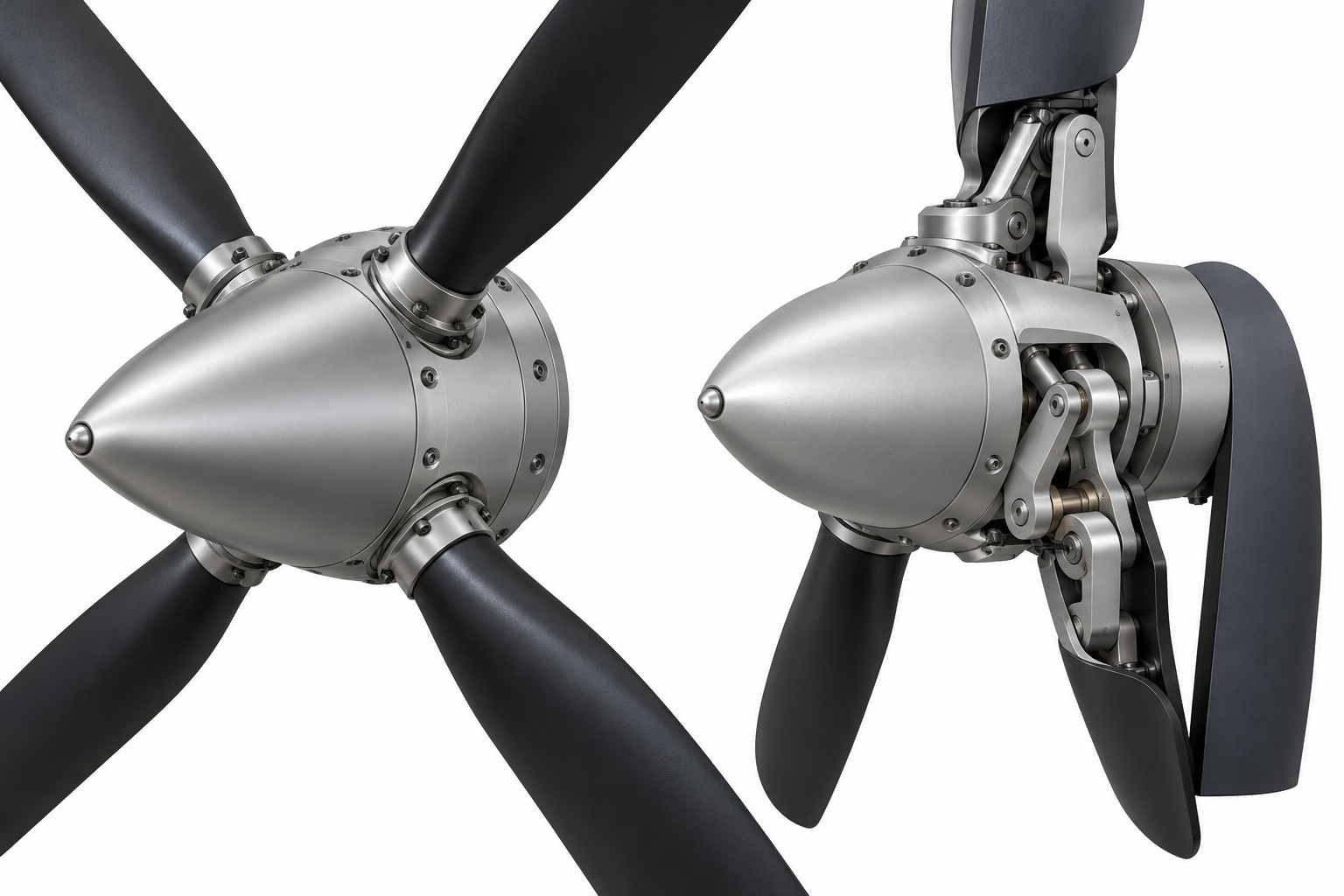
A fixed propeller has a rigid blade-to-hub arrangement. A folding propeller adds a joint or hinge that lets the blade fold for storage and unfold under rotation or a mechanical stop. The folding mechanism is part of the product specification: it adds inspection and fit checks that do not apply in the same way to a fixed blade.
Storage and transport are the main commercial drivers
Large fixed propellers can increase the packed length of a multirotor or eVTOL platform. Folding props may reduce the transport envelope, but the saving should be measured with the hub, fasteners, protective packaging and spare parts included. A smaller carton is valuable only if the folded assembly remains protected during repeated handling.
Balance, vibration and installation
Neither fixed nor folding construction guarantees lower vibration. Balance, blade stiffness, hub fit, fastener torque and motor alignment all matter. A folding design also requires the hinge or stop to seat consistently. After installation, follow the approved inspection and balance procedure for the exact model.
Multirotor and eVTOL use different mission constraints
Multirotor platforms usually prioritize hover thrust, control response and compact airframe packaging. An eVTOL may use separate lift and cruise phases or a transition between them. The propeller requirement therefore depends on the phase, clearance, noise constraints and motor operating point. Do not transfer a fixed-prop recommendation to a folding design without repeating the system review.
How to compare two quotations
| Item | Verify before approval |
|---|---|
| Geometry | Diameter, pitch, blade count and rotation |
| Interface | Hub, shaft, fastener and mounting pattern |
| Folding hardware | Hinge, stop, folded length and inspection rule |
| Material | Approved material and replacement policy |
| Packaging | CW/CCW identification and spare-parts code |
Sources and technical boundary
The structural explanation should be kept separate from performance claims. A university eVTOL study discusses folding rotor arrangements, while the folding-propeller overview describes the general mechanism. Neither source proves that one product is universally more efficient, quieter or longer-lived than another.
FAQ
Are folding props always less efficient?
Not necessarily. Efficiency depends on blade geometry, hinge design, stiffness and operating point.
How should CW and CCW props be ordered?
Confirm rotation marking, hub orientation and packing pair with the exact listing.
Where can I compare folding props?
Blade count is a separate decision from hinge type; the three blade vs two blade propeller comparison covers that trade on its own.
Related articles
-
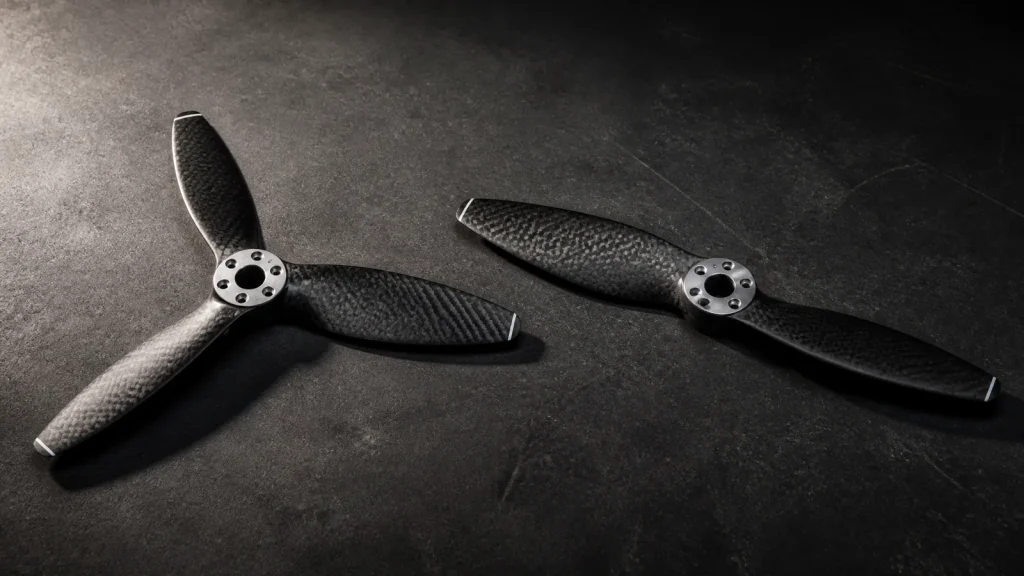 Three Blade vs Two Blade Propeller: Heavy-Lift Trade-Offs
One extra blade at the same diameter buys thrust margin and a lower hover RPM, and costs current, peak efficiency and stowed volume. Here is when it pays.
-
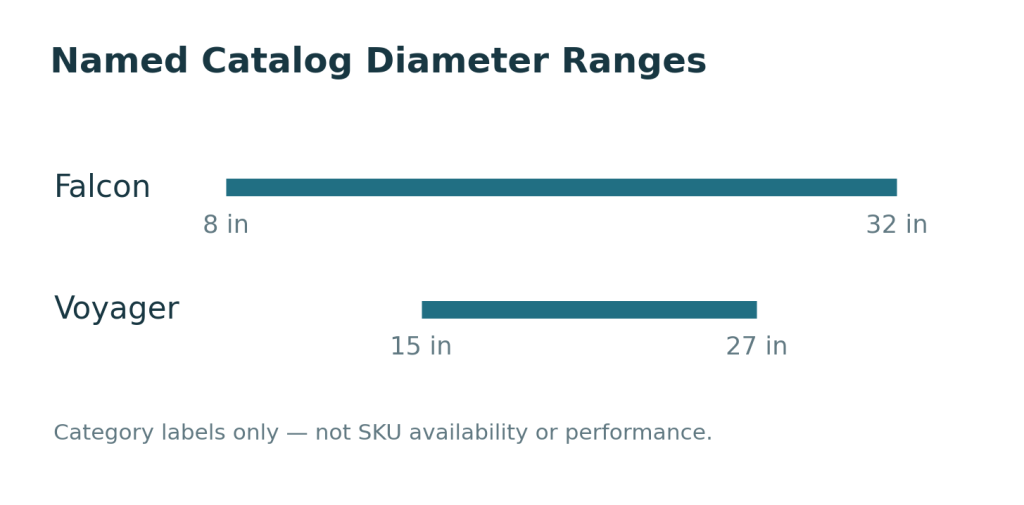 Falcon vs Voyager Propellers for Fixed-Wing UAVs
A fixed-wing propeller shortlist often starts with a diameter limit. The nose, landing gear or pusher installation leaves room for a particular disc, and the buyer searches within…
-
 How to Handle a Warranty Claim on Motors and ESCs
“The motor stopped” describes a symptom. It does not identify the delivered part, show the conditions before the event or explain what happened afterward. That is why a…
-
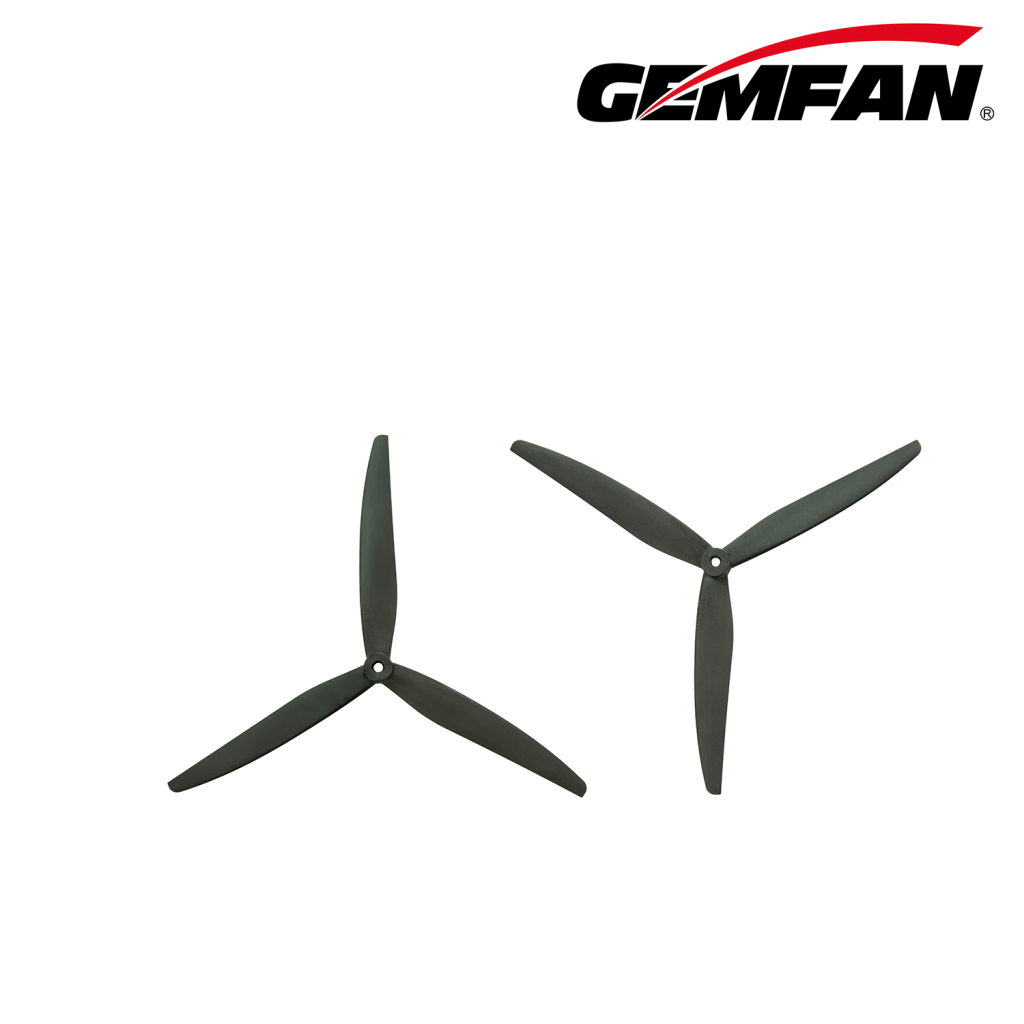 CW vs CCW Propellers: Avoiding Mix-Ups in Dealer Kits
A box can contain the right diameter, the right pitch and the right number of propellers, yet still be wrong for the aircraft. The missing check is handedness.…