


OEM Marking, Labels and Packaging for Orders
A logo file is not a production specification. It leaves the supplier to interpret where the mark sits, how large it is, which product information remains visible and what must appear on the carton.
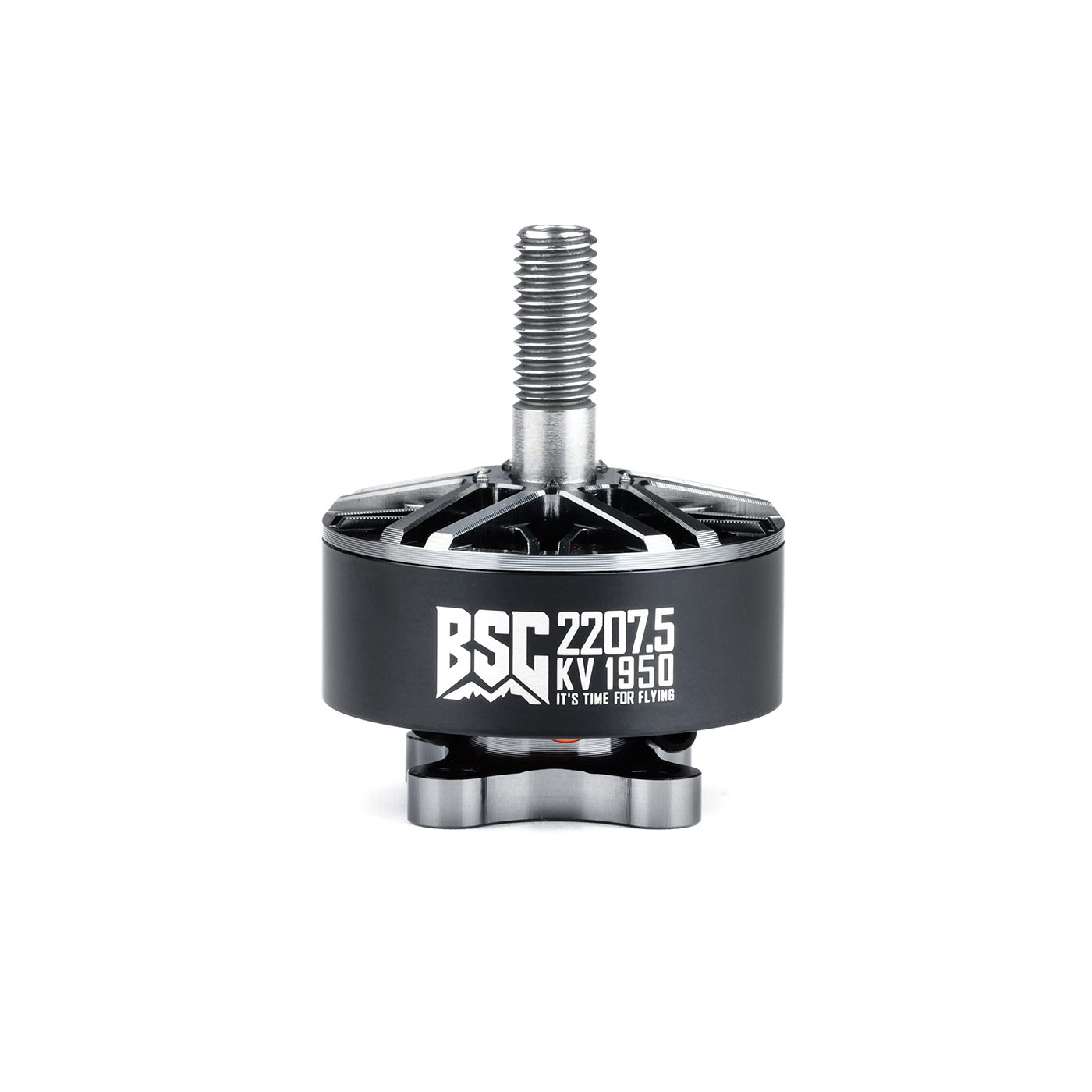
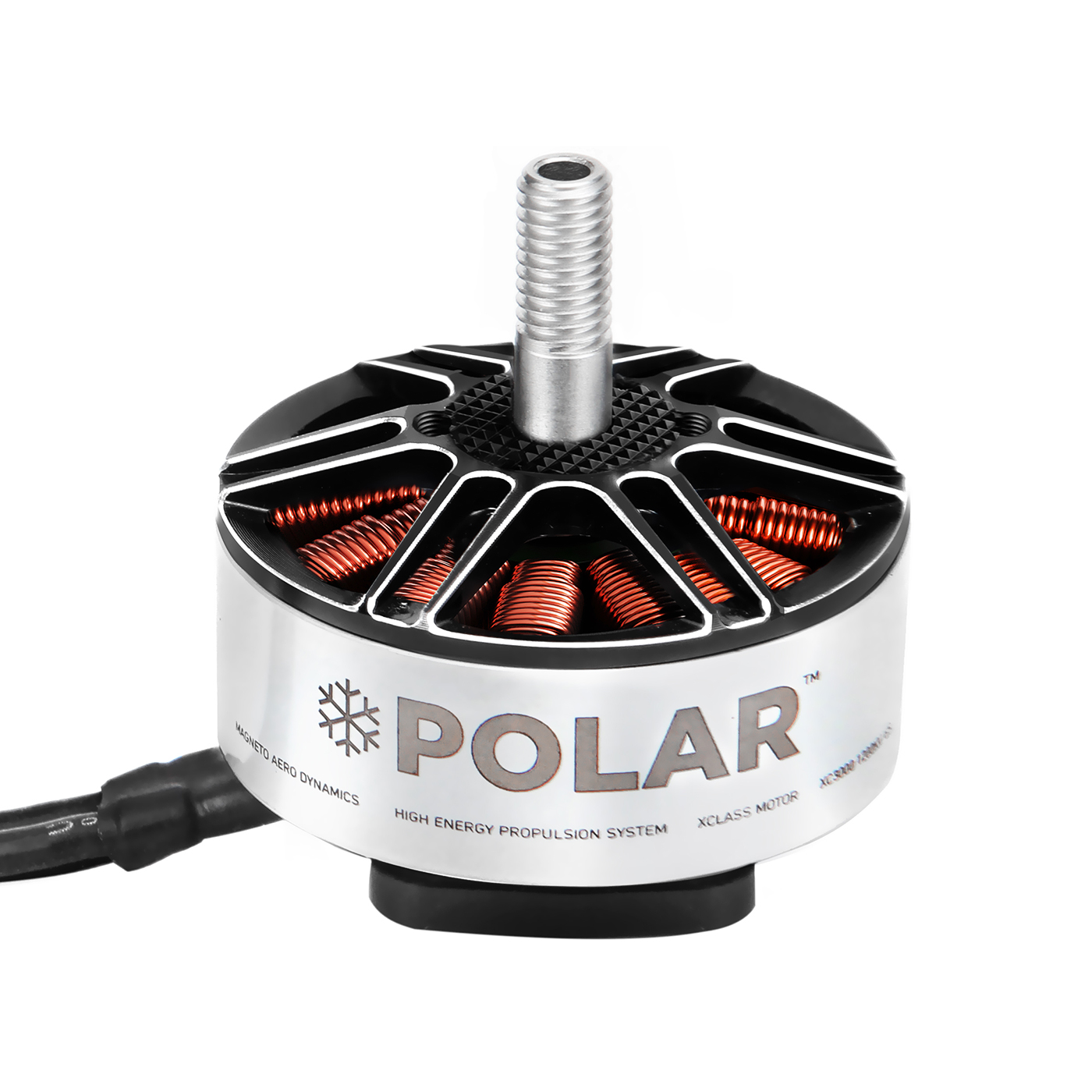
For OEM drone motor laser marking, approve three connected items: the physical mark, the readable product identity and the packaging record. They should refer to the same component configuration and artwork revision.
This is the stage after the technical product has been shortlisted. The job now is to make sure the sample, the production run and the next replenishment order are identified consistently.
OEM Marking, Labels and Packaging: Approval Guide
Assign each piece of information to a surface
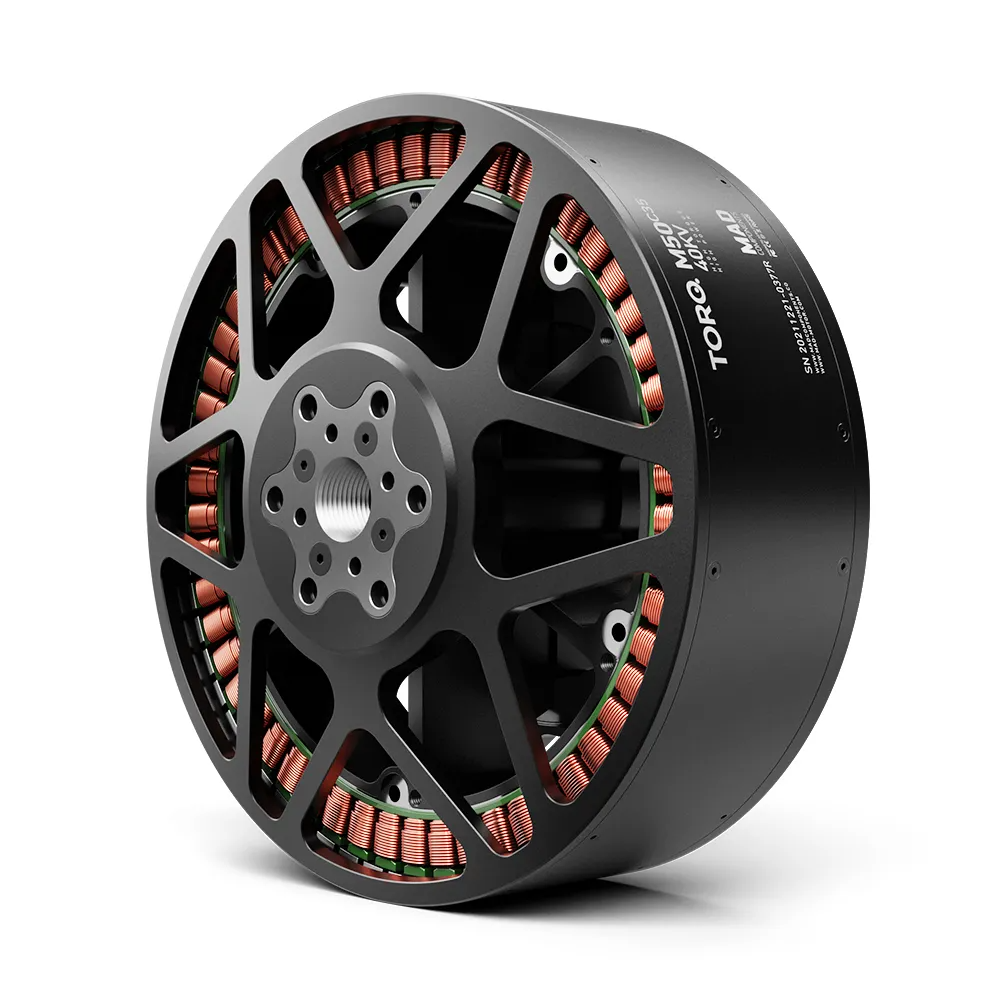
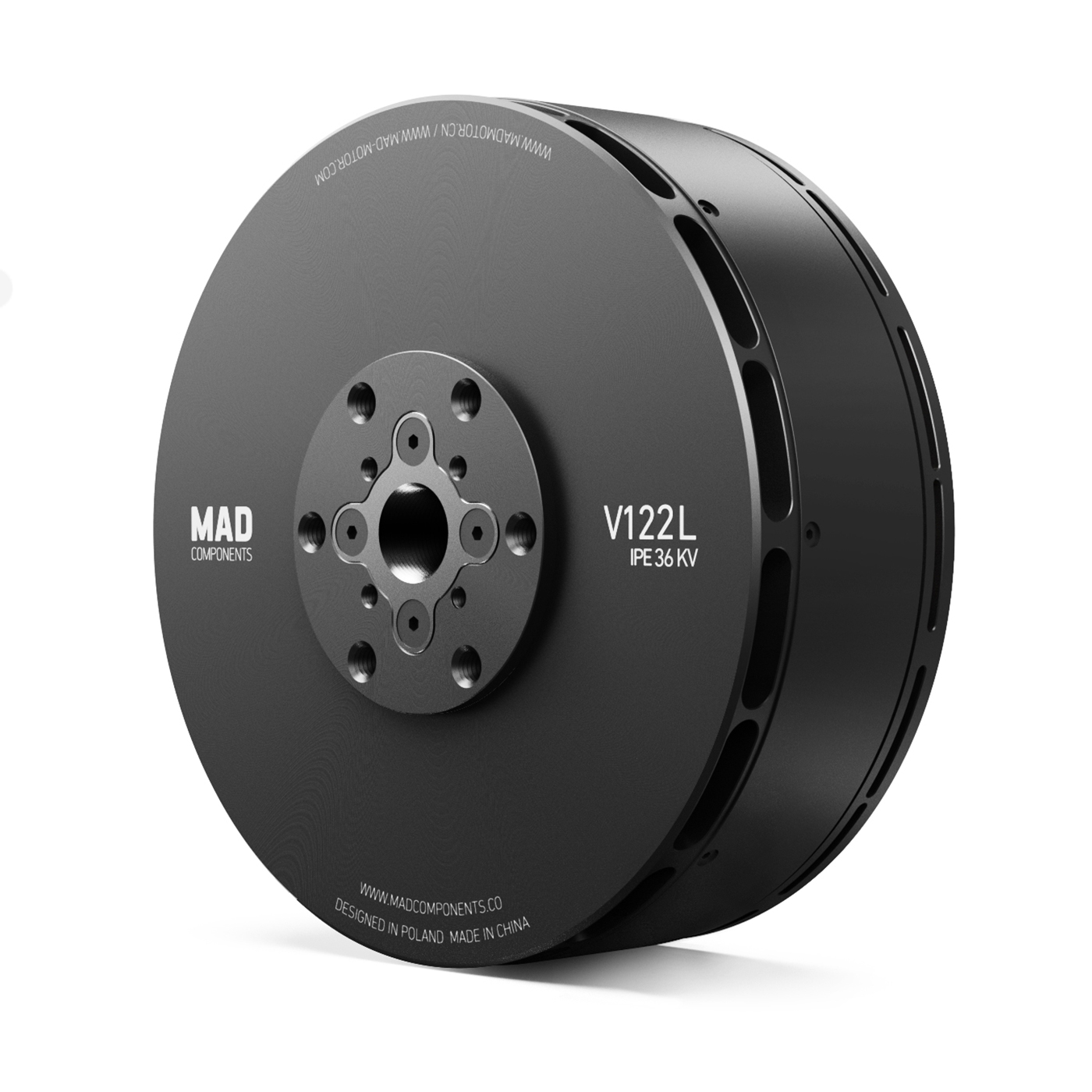
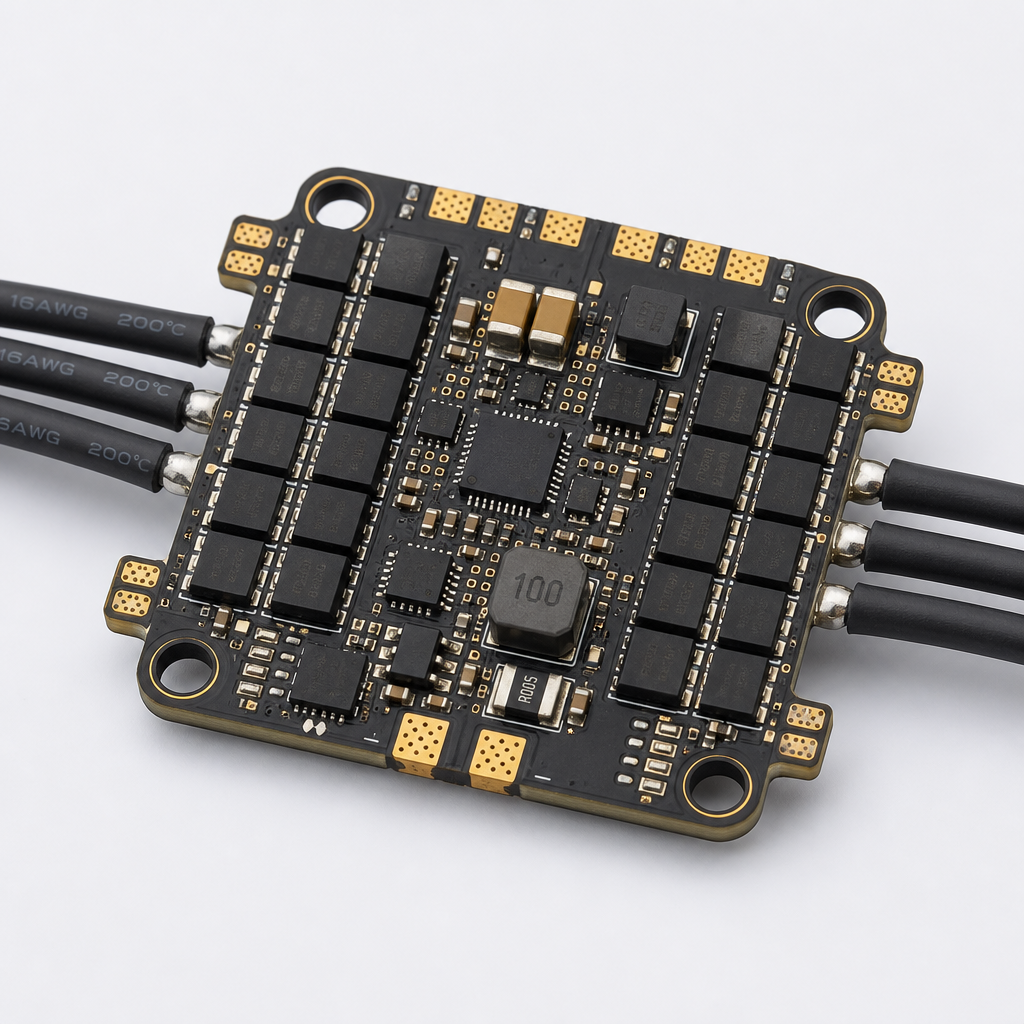
REACHSKY's OEM计划 lists housing laser marking, motor sleeve marks, ESC labels, propeller bag or card printing, carton barcodes and multilingual labeling among its customization options. Availability and the permitted method still need confirmation for the selected SKU.
Use the housing for the information approved to remain with the component. Use a label for the variable or detailed content the agreed surface and service conditions can accommodate. Use the packaging for handling, picking and shipment information. Do not make one small motor surface carry the whole purchasing record.
| Surface | Content to review | Approval question |
|---|---|---|
| Motor housing or approved sleeve | Brand mark and agreed product identification | Is the location permitted on this version, with critical marks retained? |
| ESC or component label | Approved model, revision and other specified fields | Does it describe this component rather than a similar variant? |
| Inner bag or card | Component identity, quantity and handling information | Can receiving identify the item without opening or guessing? |
| Kit or outer carton | Buyer SKU, contents, packing revision and agreed barcode | Does the record match what the carton contains? |
These are approval questions, not a promise that every surface accepts every method. Ask for a drawing or marked-up view showing the proposed location before approving the artwork.
Freeze the product identity before drawing the logo
Record the exact product, configuration and included parts first. Then decide which identifier the buyer's warehouse will use and how it maps back to the supplier's part and revision.
该 HB110 无人机动力套装 is an example of why the scope matters. The page presents it as an integrated motor, ESC and propeller combination, not simply a loose motor. An identifier on the motor and an identifier on the complete kit can serve different purposes. The quotation and packing list should state which assembly each code refers to.
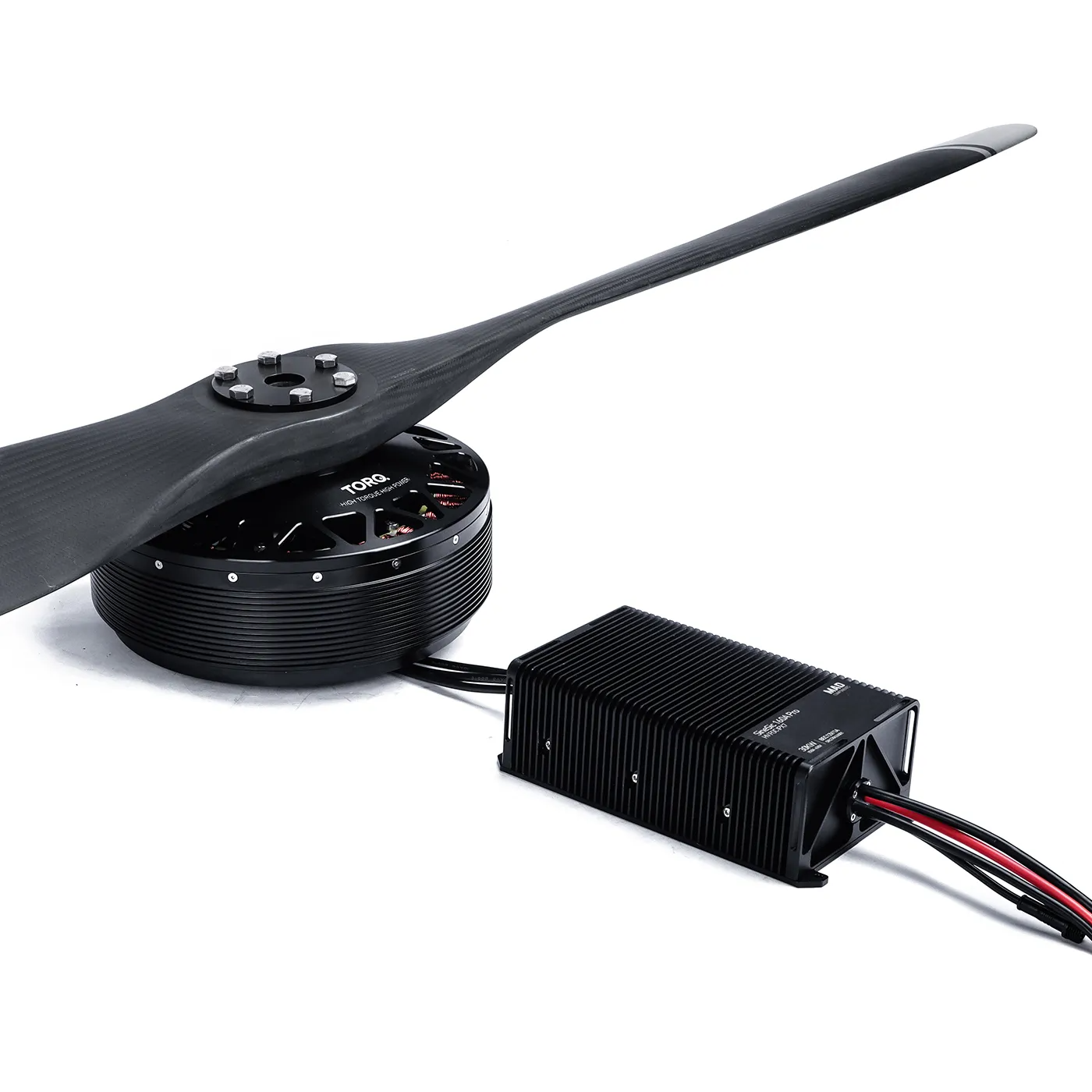
Browse the power-system kit and arm-set category with that distinction in mind. A new logo does not change what is inside the approved kit, and a carton label should not hide an unresolved bill of materials.
Keep the original safety, model and traceability information required by the agreed specification. If the planned brand mark conflicts with it, resolve the layout with the supplier rather than deleting information from a mock-up.
Make the artwork approval unambiguous
Send the editable artwork and a reference preview, then define how the approved mark will be checked. A preview is useful for communication; the production record needs dimensions and an identified location.
Specify the artwork revision, intended surface, orientation, size, placement reference and the required text. Ask the supplier to confirm the practical method and any restrictions imposed by the actual finish or part geometry. Do not assign an engraving depth, contrast requirement or material treatment from a generic internet example.
If several KV options or kit variants are involved, use a controlled content table rather than manually editing many near-identical files. Show which text changes and which artwork remains fixed. The approver should be able to distinguish a brand revision from a change to the underlying product identification.
The current public materials do not establish a universal laser process window or durability test for every REACHSKY component. If resistance to rubbing, cleaning or another exposure matters, agree the relevant acceptance method and request evidence for the proposed mark or label.
Check the physical sample, then the packing sample
Artwork approval and physical approval are separate decisions. The file can be correct while the mark lands in an awkward position or becomes hard to read on the actual curved surface.
Inspect the sample in the configuration that will be supplied. Check the agreed content, orientation and location, and confirm that adjacent model information and interfaces remain usable. Retain a record of the accepted appearance and any defined inspection method.
Then review the inner pack and carton. Confirm quantity, protection, the relationship between component and kit labels, and the packing list. Where a barcode is required, test the agreed code in the receiving system rather than accepting only a screenshot of its appearance.
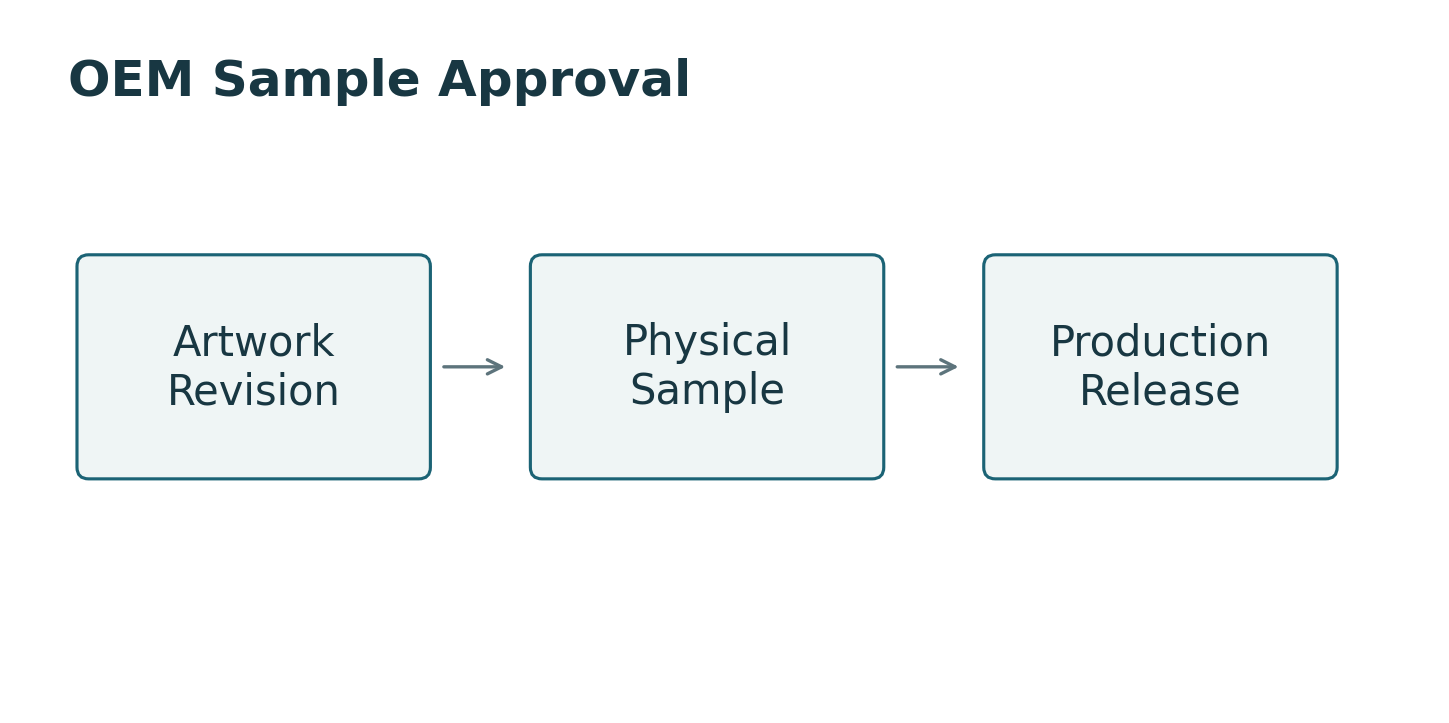
Use a clear disposition for deviations. An accepted exception should say which units or lot it covers and whether the next order must return to the original requirement. A casual “looks fine” message is difficult to use when the following batch arrives.
Keep branding changes separate from hardware changes
Changing a logo position is not the same decision as changing a winding, lead configuration, connector or controller firmware. Review those requests separately, even when they arrive in the same email.
The OEM page includes technical customization options as well as branding and packing. The approved record should therefore state whether the order changes only presentation or also changes the product configuration. Do not let an artwork sign-off stand in for engineering approval of the latter.
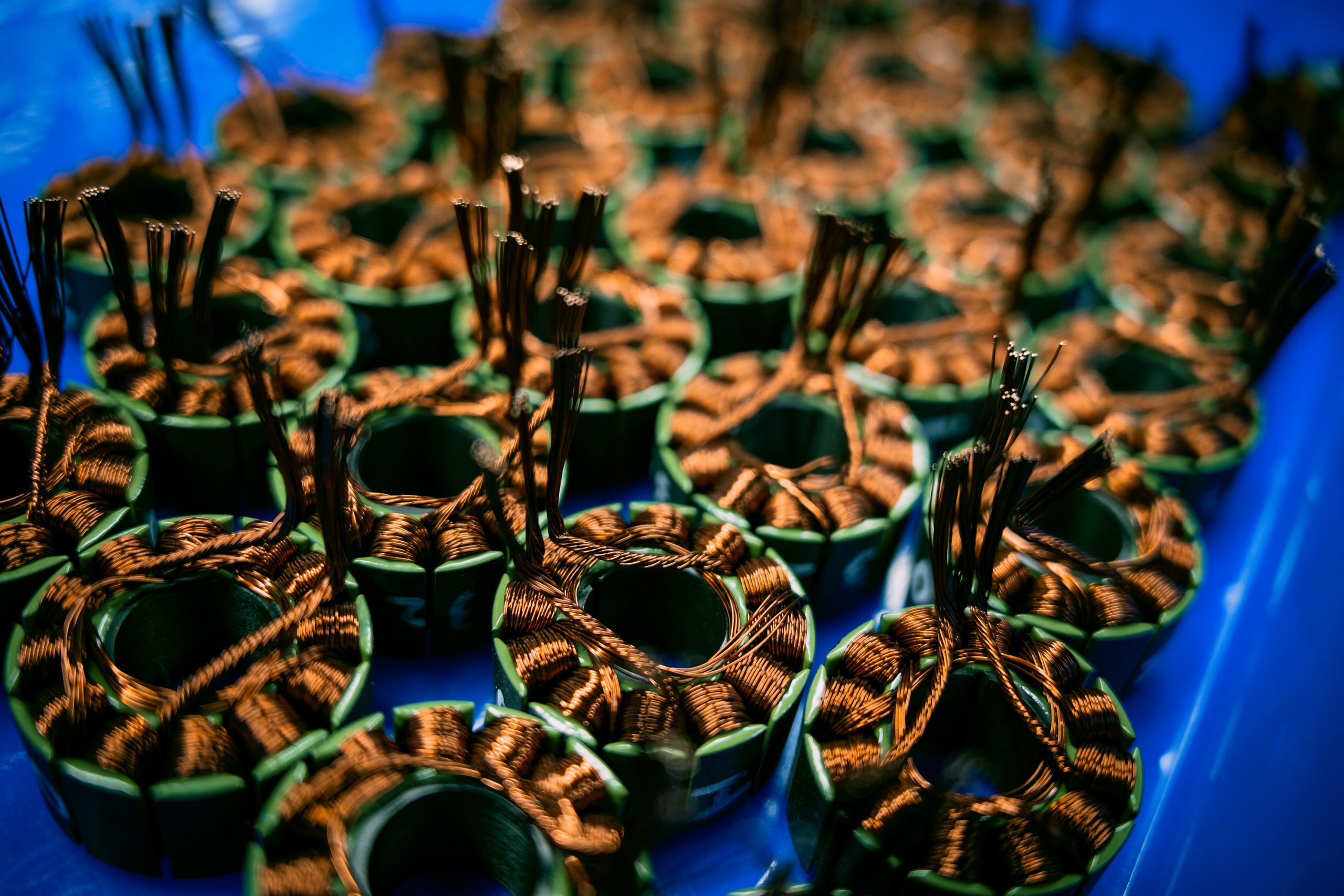
For repeat production, retain the technical configuration and the marking/packing revision as separate but linked records. That makes it possible to order the same hardware with updated packaging without silently substituting a different component.
Write a packing specification that receiving can use
The receiving team needs to know what a unit means. Is the order quantity a single motor, a motor–ESC–propeller kit, a replacement blade pair or a carton containing several sets? State that boundary before assigning labels and counts.
Define the inner quantity, outer quantity, approved item identifiers and the way any variants are separated. If packaging must serve more than one language or destination, identify each approved version and its contents. Artwork variations should not be decided by the person picking the shipment.
Do not infer a marking MOQ, packaging price or dispatch date from the product's volume-quote threshold. Ask for the project terms after the method, content and packing scope are clear. A first sample and a volume run can have different dependencies.
What a production release should contain
Keep a compact approval pack with the order:
- Product and configuration reference, including the kit boundary where applicable.
- Approved artwork files, revision and placement drawing.
- Physical sample approval and any agreed inspection criteria.
- Label-content table, barcode definition and packing specification.
- Written handling of deviations and the revision required for replenishment.
If the buyer changes the logo after sample approval, reopen the affected marking and packaging items. Identify whether the accepted physical sample still represents the production requirement. This avoids a new file being treated as a harmless administrative change when it actually changes the delivered appearance or identification.
Before placing the OEM order
Approve the sample and the records together. The useful outcome is a component that can be identified, a carton that can be received correctly and a revision history that survives the next order.
For a marking and packaging review, send the selected product and artwork requirements. Include the proposed locations, label language, quantity and packing unit, and ask which options need a physical sample before release.
常见问题解答
Can every drone motor be laser marked in the same way?
Do not assume so. The permitted location and process depend on the selected component, surface and finish. Ask the supplier to confirm the method and provide a location reference for approval. The OEM service list describes available types of customization, not a universal process specification for every SKU.
Is approving a PDF mock-up enough for production?
It approves the artwork content only to the scope stated. A physical sample can reveal placement, contrast or readability issues that a flat preview does not show. Agree which items require sample approval and keep that approval tied to the artwork revision and the product configuration.
Can we replace the existing model information with our logo?
Resolve the identification layout with the supplier first. Keep the information required by the approved specification, including applicable safety and traceability fields. A private-label mark should not make it impossible for receiving or service staff to identify the delivered variant or connect it to the order record.
Can the motor and the complete kit use different SKUs?
They can serve different inventory purposes if the relationship is documented. Define the component and kit boundaries, record which parts belong to the kit and make the packing list agree. The HB110 example shows why a motor identifier alone may not describe an integrated motor, ESC and propeller order.
Does an OEM logo change the product's certification status?
No new certification or approval follows from applying a logo. Any document supplied for the order must cover the actual product and applicable scope. Agree the required paperwork separately from artwork approval, and do not add certification symbols to a design merely because similar components display them.
What should we retain for the next replenishment order?
Retain the approved product configuration, artwork and packing revisions, label-content table, sample approval and any limited deviations. State the revision required on the new order. Sending only last year's product name or an old carton photograph leaves too much room for an unintended change.
Related UAV resources: OEM计划, UAV propulsion products, and contact REACHSKY.
OEM marking approval checklist
Confirm the artwork revision, sample approval and carton record before production. For quality-system context, see the ISO 9001 overview.
Marking and packaging run on a different drone parts lead time track from stock parts.